Saira Imran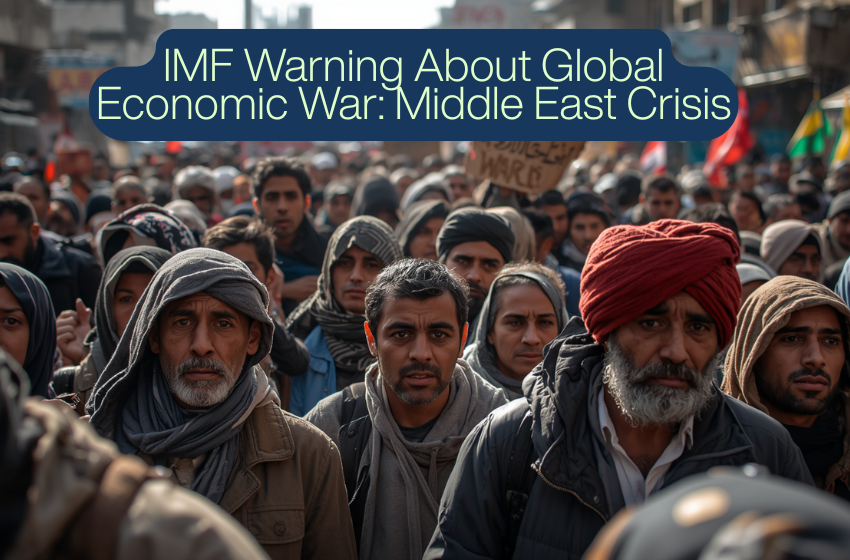
IMF Warning About Global Economic War: Middle East Crisis
The IMF warning about global economic war, sounding a serious alarm, and says the war in the Middle East is now one of the biggest threats to the global economy. This is not just a problem for rich countries. It is a problem for every country, and for Pakistan too.
Global economic growth is now expected to slow down to 3.1 percent in 2026. This is lower than what experts had hoped for just a few months ago. The situation is serious, and it is getting worse.
The Global Economy Is in Danger. Here Is What You Need to know about the IMF warning.
What Is the IMF and Why Should You Listen to It?
The IMF stands for the International Monetary Fund. It is a global financial organization that tracks the health of the world’s economies. When the IMF warns about a risk, governments and banks around the world pay attention.
The IMF recently published its April 2026 World Economic Outlook report. The report is titled “Global Economy in the Shadow of War.” The title alone tells you how serious things have become.
What Exactly Did the IMF Warn About?
The IMF said that the global economy is once again threatened with war. This time, the cause is the outbreak of war in the Middle East in early 2026. The war has created three big problems for the world economy.
1. Energy prices are rising
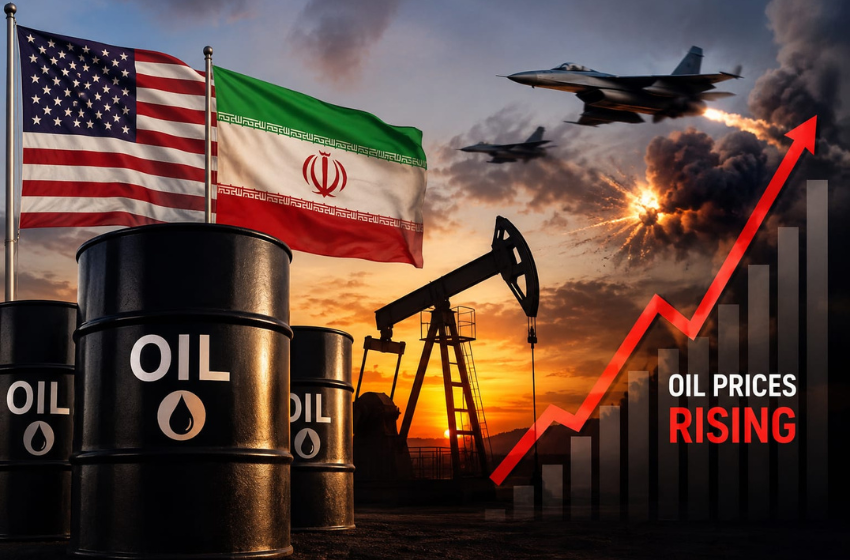
The Middle East produces a huge amount of the world’s oil and gas. When war disrupts this region, oil prices go up. A reference forecast assuming a moderate 19 percent increase in energy commodity prices in 2026 still puts global growth at only 3.1 percent and global inflation at 4.4 percent. Higher oil prices mean higher prices for everything.
2. Blocked Trade routes
The closing of the Strait of Hormuz and serious damage to critical facilities in a region central to global hydrocarbon supply raise the prospect of a major energy crisis if hostilities continue. Ships cannot move freely, and goods cannot reach their destinations, which causes supply chains to break down.
3. Financial markets are shaking
Investors get scared during wars. They pull their money out of risky countries. Heightened macro risks and the prospect of tighter monetary policy could trigger a sudden repricing by financial markets, with much lower asset valuations, higher risk premia, more capital flight, and dollar appreciation.
What Could Make Things Even Worse?
A longer or broader conflict, worsening geopolitical fragmentation, a reassessment of expectations surrounding AI-driven productivity, or renewed trade tensions could significantly weaken growth and destabilize financial markets.
The IMF is not just warning about what is happening now. It is a warning about what could happen if the war continues. If the war gets bigger, the damage will be much worse.
How Does This Affect Pakistan?
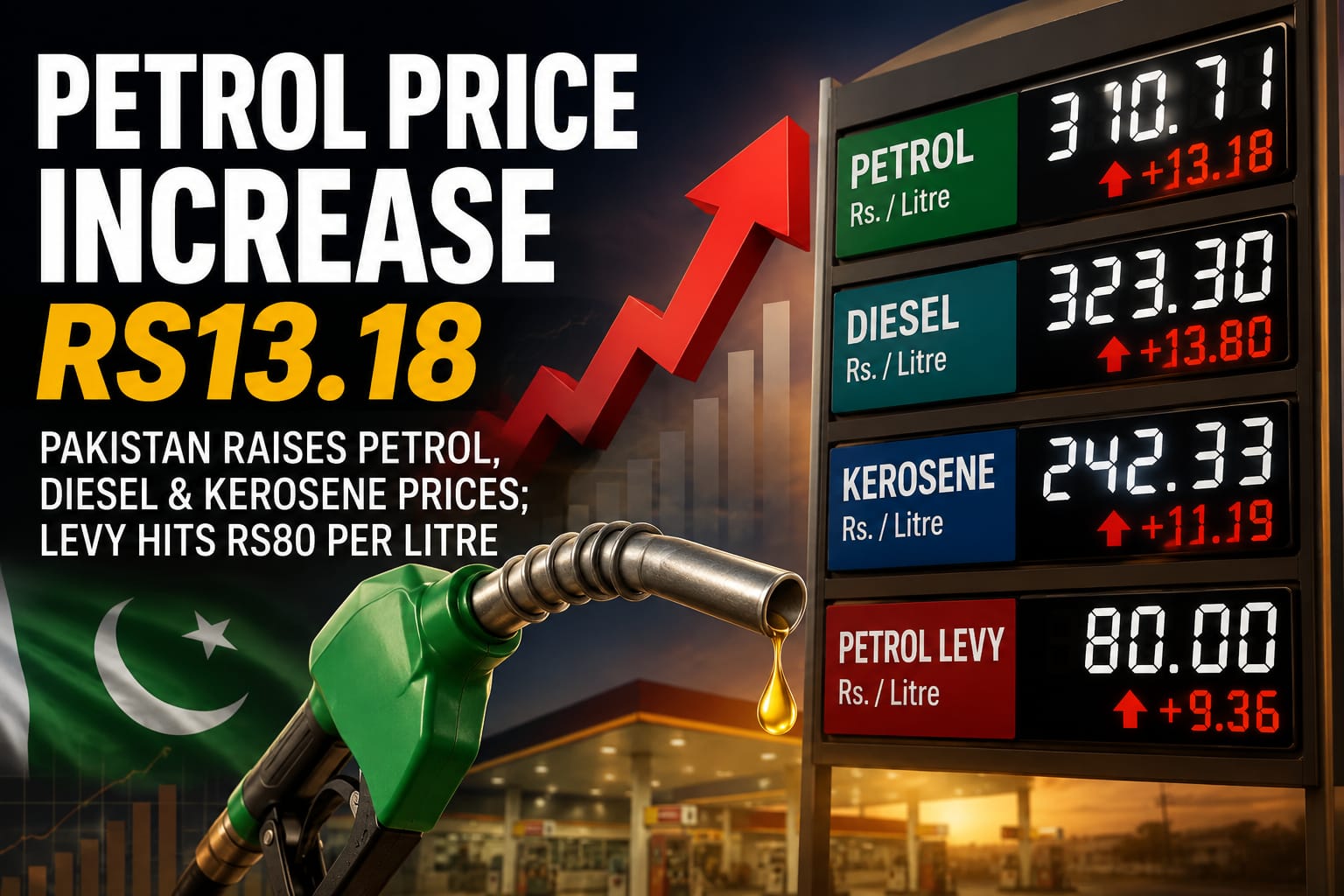
Pakistan depends heavily on imported oil and gas. Most of that oil comes from the Middle East. When oil prices rise, Pakistan’s import bill goes up. That means the government spends more money, the rupee comes under pressure, and prices go up.
The IMF has kept Pakistan’s growth rate unchanged at 3.6 percent for FY26. This is already lower than Pakistan’s official target of 4.2 percent. Meanwhile, inflation in Pakistan is projected to average 7.2 percent this fiscal year and rise further to 8.4 percent next fiscal year.
That means groceries will get more expensive. Petrol will get more expensive. Electricity bills will go up. Everything linked to energy costs will become harder to afford.
Oxford Economics estimates Pakistan’s foreign reserves could decline to $6.8 billion by the end of 2026, down from pre-war levels of $20.8 billion, and could approach just $1.6 billion in FY2028. Falling reserves are a serious warning sign for any economy.
Remittances are at risk too. Millions of Pakistani families depend on money sent home by relatives working in Gulf countries. Remittances will fall in countries that supply migrant workers to the region if the war continues to hit Gulf economies hard. That directly affects household income for millions of Pakistanis.
Which Countries Are Hit the Hardest?
The slowdown in growth and increase in inflation are expected to be particularly pronounced in emerging market and developing economies.
In other words, poorer countries will suffer the most. Pakistan is already in a fragile economic position. The IMF program is ongoing, and the government has limited room to absorb more shocks.
In the MENAP region, which includes Pakistan, prolonged hostilities would sustain elevated energy prices, deepen trade disruptions, further compress confidence, and erode the limited fiscal space available to policymakers.
What Does the IMF Say Governments Should Do?
The IMF did not just warning about global economic war. It also gave advice. Fostering adaptability, maintaining credible policy frameworks, and reinforcing international cooperation are essential to navigating the current shock while preparing for future disruptions in an increasingly uncertain global environment.
Governments need to keep inflation under control. They need to protect the poor and avoid taking on more debt, and they need to work together instead of fighting over trade.
The IMF urged world leaders to stabilize trade policies, strengthen fiscal health, and implement reforms to boost long-term resilience. Central banks must carefully balance inflation control with growth support.
What Was Happening Before the War Started?
Before the Middle East war began, things were actually looking better.
Despite downside risks, economic momentum was expected to carry into 2026, and forecasters were looking to lift the global growth forecast. The war in the Middle East halted this momentum.
The world was recovering, trade was improving, and inflation was coming down, and then the war changed everything.
What Happens Next?
Nobody knows exactly how long this war will last. The IMF’s current warning about the global economic war assumes the conflict stays limited. But if it expands, the damage will be far greater.
Global headline inflation is projected to rise modestly in 2026 before resuming its decline in 2027. That means relief may still be a year away.
The world is watching, Pakistan is watching, and families across the country are already feeling the pressure.
FAQs
It means that the ongoing war in the Middle East is slowing down the global economy. Inflation may rise in Pakistan, and achieving the growth target could become difficult.
The IMF has currently kept Pakistan’s growth forecast at 3.6 percent. However, if oil prices rise further and reserves fall, pressure on the IMF program could increase.
Yes, if the war in the Middle East continues for a long time, oil supply will decrease, and international oil prices will rise. This will directly affect petrol prices in Pakistan.
Pakistanis working in Gulf countries may be affected in terms of jobs and income. If they start sending less money, it will create difficulties for families back home.
If the war escalates further, the Strait of Hormuz remains closed, and oil supply is severely disrupted, global growth could fall below 3.1 percent, and inflation could accelerate further.