Saira Imran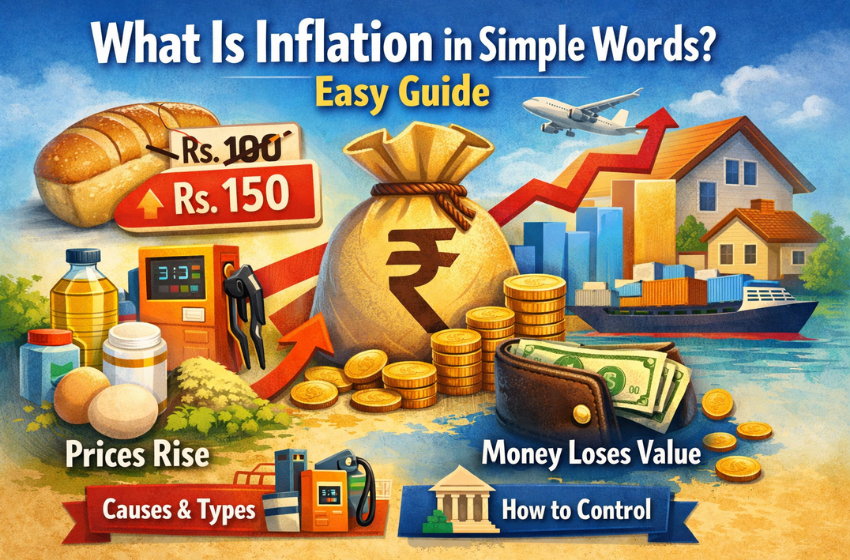
What Is Inflation in Simple Words? Easy Guide
What is inflation in simple words? Inflation means prices of goods and services increase over time, so people pay more for the same items, and money loses value. It affects daily life, savings, and budgets.
When inflation rises, families struggle to manage expenses because income does not increase at the same speed as prices. This makes life more expensive and reduces everyone’s purchasing power. Learn what inflation is, its causes, effects, types of inflation, and how to control it.
What Is Inflation in Simple Words?
What is inflation in simple words means a continuous increase in prices across the economy. People need more money to buy the same products.
A simple example explains it clearly. A milk pack cost Rs. 100 before. Now it costs Rs. 150. This increase shows inflation.
In Pakistan, inflation changes every year. In 2023, inflation reached around 37.9%, which was very high. Later, it slowed down to around 5.6% in December 2025.
This shows inflation can rise and fall, but prices usually stay high.
Read Also: Pakistan Economy Crisis Explained 2026 – Key Reasons
What Happened in Inflation?
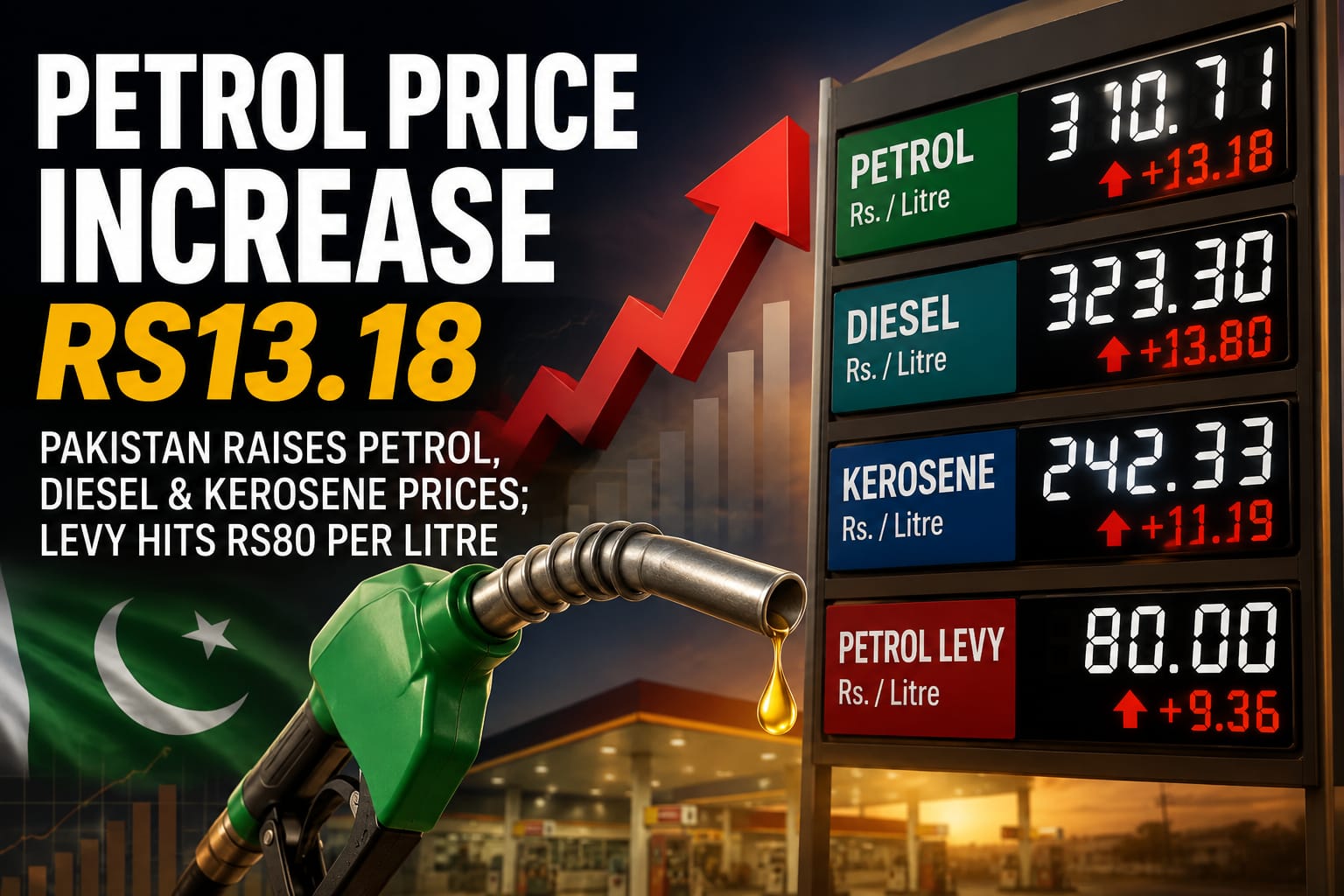
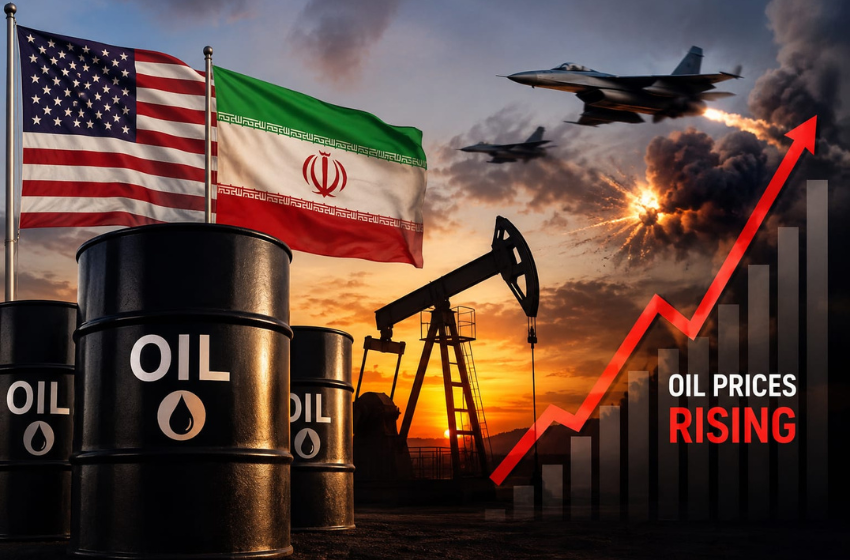
Prices increased due to a mix of global and local factors. Fuel prices rose sharply in the international market. Oil is a key import for Pakistan. When oil prices increase, transport and production costs also rise. This pushes prices up across many sectors.
Supply chain disruptions also played a major role. Global events slowed down shipping and production. Many goods became scarce. When supply decreases, and demand stays high, prices increase quickly.
The value of the Pakistani rupee also dropped against the US dollar. A weaker currency made imports more expensive. Pakistan imports fuel, machinery, and raw materials. Higher import costs directly increased prices in local markets.
At the same time, local production faced challenges. Energy shortages and high electricity costs reduced output. Businesses passed these costs to consumers.
According to data, Pakistan’s Consumer Price Index (CPI) reached around 280 points in 2025, showing a strong rise in overall price levels over time.
Read Also: Inflation Rate in Pakistan Rises to 7% in February
These combined factors increased daily expenses. People started paying more for food, fuel, and basic needs. This situation clearly explains how inflation developed and affected the economy.
Causes of Inflation
Several key factors contribute to rising inflation in both developing and developed economies. These causes usually work together and gradually push overall price levels higher.
High demand:

Inflation increases when the demand for goods and services grows faster than the supply. When more people have purchasing power and spend more on food, clothing, fuel, and housing, businesses struggle to meet demand. As a result, sellers raise prices, leading to demand-pull inflation.
Rising production and transport costs:
When the cost of fuel, electricity, transportation, and raw materials increases, businesses face higher production expenses. To maintain profit margins, they pass these extra costs to consumers in the form of higher prices. This type is known as cost-push inflation and affects almost every sector.
Currency depreciation:

When a country’s currency weakens, imported goods become more expensive. Since many countries rely on imports for oil, machinery, and essential raw materials, a weaker currency directly increases domestic prices. This also raises production costs for local industries that depend on imported inputs.
Increase in money supply:
When too much money circulates in the economy without a matching increase in goods and services, prices rise. This often happens due to excessive government spending or loose monetary policy. More money chasing limited goods naturally leads to inflation.
These are the main causes of inflation commonly observed in Pakistan as well as in other economies around the world.
Types of Inflation
Economists classify inflation into different types based on its causes and how it affects the economy. Each type explains a different mechanism through which prices rise over time.
Demand-pull inflation:
This type of inflation occurs when the overall demand for goods and services becomes higher than the available supply in the market. When consumers have more income and spending power, they tend to buy more products.
However, if production cannot keep up with this increased demand, sellers raise prices. This continuous rise in demand creates upward pressure on prices, leading to demand-pull inflation.
Cost-push inflation:
Cost-push inflation happens when the cost of production increases for businesses. This includes higher prices of fuel, electricity, transportation, labor, and raw materials.
When production becomes more expensive, companies shift these additional costs to consumers by increasing product prices. As a result, even without an increase in demand, prices rise across the economy.
Built-in inflation:
Built-in inflation is also known as wage-price inflation. It develops when workers demand higher wages to keep up with rising living costs.
When wages increase, businesses face higher expenses and respond by increasing the prices of their goods and services. This creates a cycle where wages and prices continuously push each other upward over time.
Understanding these types of inflation is important because it helps explain the different reasons behind price increases and how they impact the economy in different ways.
Why It Matters?
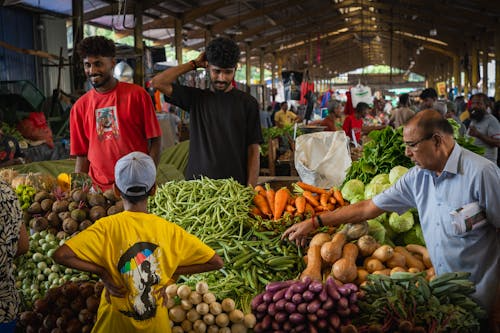
Inflation has a direct impact on the daily lives of people, businesses, and the overall economy. It reduces the purchasing power of money, which means people can buy fewer goods and services with the same amount of income. Essential items like food, fuel, rent, and utilities become more expensive, putting pressure on household budgets and lowering living standards.
For businesses, inflation increases the cost of production. Companies must pay more for raw materials, energy, transportation, and wages. These rising costs make it harder to maintain stable prices and profit margins. As a result, many businesses either reduce output or increase product prices, which further contributes to inflation.
Inflation also makes economic planning more difficult for governments and financial institutions. It creates uncertainty in budgeting, savings, investment, and long-term policy decisions. When prices change too quickly, it becomes harder to predict future costs and returns.
Experts generally consider an inflation rate of around 5% to 7% as manageable for a growing economy. However, when inflation rises beyond this level, it can create serious economic instability and reduce overall confidence in the market.
Effects of Inflation
Inflation has wide-ranging effects on individuals, businesses, and the overall economy. It directly influences daily life and gradually changes financial stability, especially in developing countries.
Cost of living increases:
One of the most immediate effects of inflation is the rising cost of living. Prices of essential goods such as food, fuel, electricity, transportation, and housing increase over time. As a result, households need more income to maintain the same standard of living. This puts additional pressure on family budgets and reduces overall affordability.
Savings lose value:
Inflation reduces the real value of money saved in banks or at home. Even if the nominal amount remains the same, its purchasing power decreases over time. People find that their savings cannot buy as much in the future as they could before. This discourages long-term saving and affects financial security.
Fixed-income groups suffer:
Individuals who earn a fixed income, such as salaried employees, pensioners, and daily wage workers, are heavily affected by inflation. Since their income does not increase at the same rate as prices, they struggle to meet rising expenses. This creates financial stress and reduces their quality of life.
Poverty levels may rise:
Inflation can push more people below the poverty line, especially when wages do not keep up with rising prices. Necessities become less affordable for low-income groups, increasing inequality in society. Over time, this can widen the gap between the rich and the poor.
These are the major effects of inflation commonly observed in developing economies like Pakistan, where rising prices significantly impact economic stability and living conditions.
Impact on Pakistan
Inflation has a strong and lasting impact on Pakistan’s economy and everyday life. It directly affects essential sectors such as food, fuel, electricity, and transportation. When these prices rise, the overall cost of living increases significantly for households across the country.
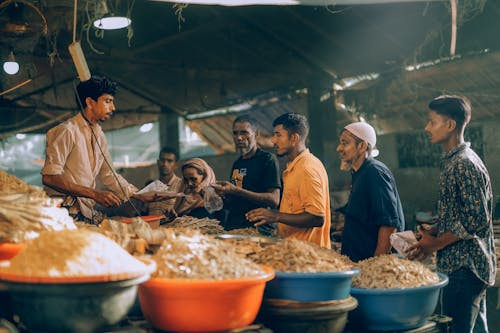
Families are forced to adjust their spending, often cutting back on non-essential needs to manage basic expenses.
Middle-class and low-income families feel the greatest pressure from inflation. Their incomes usually do not increase at the same pace as rising prices, which creates a gap between earnings and expenses. This financial strain reduces savings, limits purchasing power, and affects overall living standards.
In recent years, Pakistan has experienced fluctuating inflation trends. Although inflation dropped to around 5–6% in 2025, the overall price level remains much higher compared to previous years. This means that even when inflation slows down, prices do not return to earlier levels; instead, they stay elevated.
As a result, people continue to pay more for the same goods and services even during periods of lower inflation. This persistent price pressure highlights the long-term economic challenges faced by households and shows how inflation leaves a lasting impact on purchasing power and financial stability in Pakistan.
How to Control Inflation?
Governments and central banks take strong steps to control rising prices. They focus on reducing demand and improving supply in the economy. These actions help bring stability and protect people from high living costs.
Increase interest rates
One common method is to increase interest rates. Higher interest rates make loans expensive. People and businesses borrow less money. This reduces spending in the market, which helps slow down price increases.
Reduce the money supply
Authorities also try to reduce the money supply. When too much money circulates in the economy, prices rise quickly. Central banks control this by limiting the amount of money available through different financial tools.
Improve production
Another important step is to improve production. When industries produce more goods, supply increases. This helps balance demand and lowers pressure on prices. Governments support local industries to boost output.
Control unnecessary spending
They also work to control unnecessary spending. Reducing extra government expenses helps manage budget deficits. It also reduces the need to print more money, which can increase inflation.
The State Bank of Pakistan plays a key role in this process. It adjusts interest rates and uses monetary policy tools to control inflation. These combined efforts explain how to control inflation effectively and maintain economic stability.
Expert Opinion
Economists believe Pakistan can reduce inflation only through strong and consistent long-term reforms.
Need for stable economic policies
They stress the need for stable economic policies that remain consistent over time. Frequent policy changes create uncertainty. This discourages both local and foreign investors. When investment slows down, production also decreases, which pushes prices higher.
Importance of increasing exports
Experts also highlight the importance of increasing exports. Pakistan relies heavily on imports, especially fuel and machinery. This creates pressure on foreign reserves and weakens the rupee. A weak currency makes imports more expensive, which increases inflation. By boosting exports such as textiles, agriculture, and IT services, Pakistan can earn more foreign exchange and stabilize its economy.
Governance and financial discipline
Better governance and financial discipline also play a key role. Economists suggest reducing unnecessary government spending and improving tax collection. A wider tax base can increase revenue without printing more money. This helps control inflation.
Investment in local production and energy sectors
They also recommend investing in local production and energy sectors. When the country produces more goods locally, it reduces dependency on imports. This helps control price increases.
Overall, experts agree that inflation cannot be controlled overnight. Strong planning, political stability, and consistent economic decisions are necessary to reduce inflation pressure in the long run.
Final Thoughts
Now you clearly understand what is inflation in simple words. Inflation increases prices and reduces the value. It affects daily life, savings, and economic stability. Proper policies and smart financial decisions can help control its impact in the future.