Saira Imran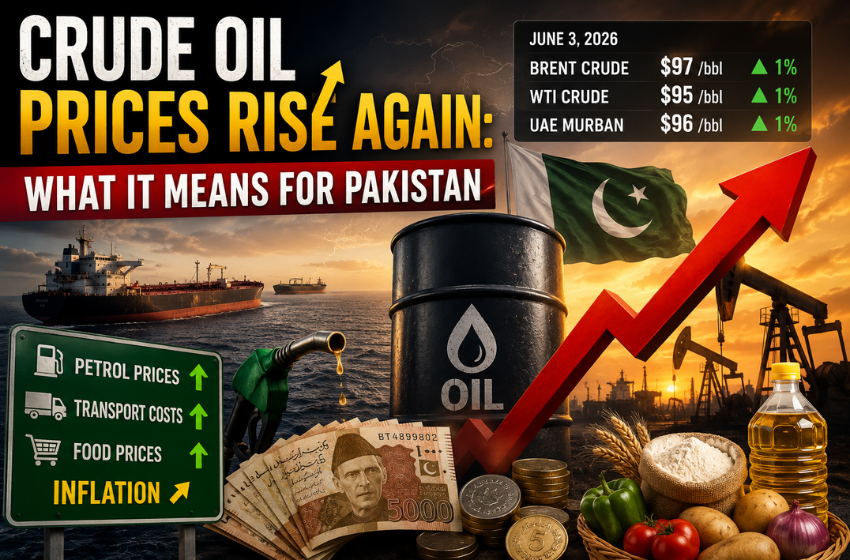
Crude Oil Prices Rise Again: What It Means for Pakistan
Global crude oil prices went up again on June 3, 2026. This is not just a number on a trading screen. It directly affects how much you pay for petrol, food, and transport in Pakistan.
Here is what happened, why it happened, and what you should expect next.
What Happened Today with Crude Oil Prices?
Oil prices continued their rally on Wednesday, with Brent crude nearing $97 per barrel and recording gains for the third consecutive session. Persistent uncertainty surrounding US-Iran negotiations and renewed instability across the Middle East prompted traders to factor additional geopolitical risks into the market, pushing prices higher.
The Urdu news report today confirms these numbers. Brent crude rose nearly 1 percent to $97 per barrel. WTI crude reached $95 per barrel. UAE Murban crude settled at $96 per barrel.
Three major oil benchmarks are all rising at the same time. That is a strong signal for markets worldwide.
Why Are Crude Oil Prices Going Up?
Three main reasons are driving this increase.
The Middle East Conflict
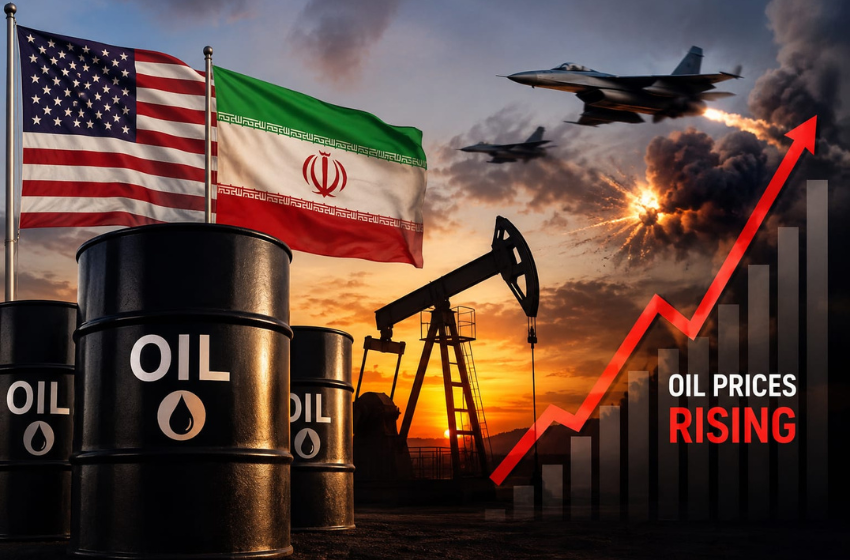
Regional tensions intensified when Iran launched missile attacks toward neighboring countries, prompting US military action on Qeshm Island in what Washington described as a defensive response to Iranian threats. Despite the escalation, President Trump insisted that negotiations with Iran remain active, pushing back against reports claiming that talks had been suspended.
War and uncertainty always push oil prices up. Investors fear supply disruptions. Traders add a “risk premium” to every barrel.
The Strait of Hormuz Crisis
The de facto closure of the Strait of Hormuz tightened global oil supplies significantly. Many countries in the Middle East, including Iraq, Saudi Arabia, and the UAE, shut in oil production. Rising threats to energy infrastructure and the risk of further attacks contributed to the ongoing increase in global crude oil prices.
The Strait of Hormuz is the world’s most important oil shipping route. When it is blocked or threatened, global supply drops. Prices go up fast.
Falling Oil Inventories
Industry data showed crude inventories declined by 6.8 million barrels last week. If confirmed by official government figures, it would mark the sixth consecutive weekly drawdown in US crude stockpiles.
A six-week streak of falling oil inventories signals tightening supply. When supply shrinks while demand remains steady, prices tend to rise.
How Pakistan Is Already Feeling the Pain?
Pakistan imports most of its oil from Saudi Arabia and the UAE through the Strait of Hormuz. When global prices rise, Pakistan’s import bill rises too.
Pakistan’s oil import bill surged from $300 million before the conflict to $800 million, which Prime Minister Shehbaz Sharif said erased all the economic progress the country had made over the past two years.
That is a significant increase, and it has an impact on households across the entire country.
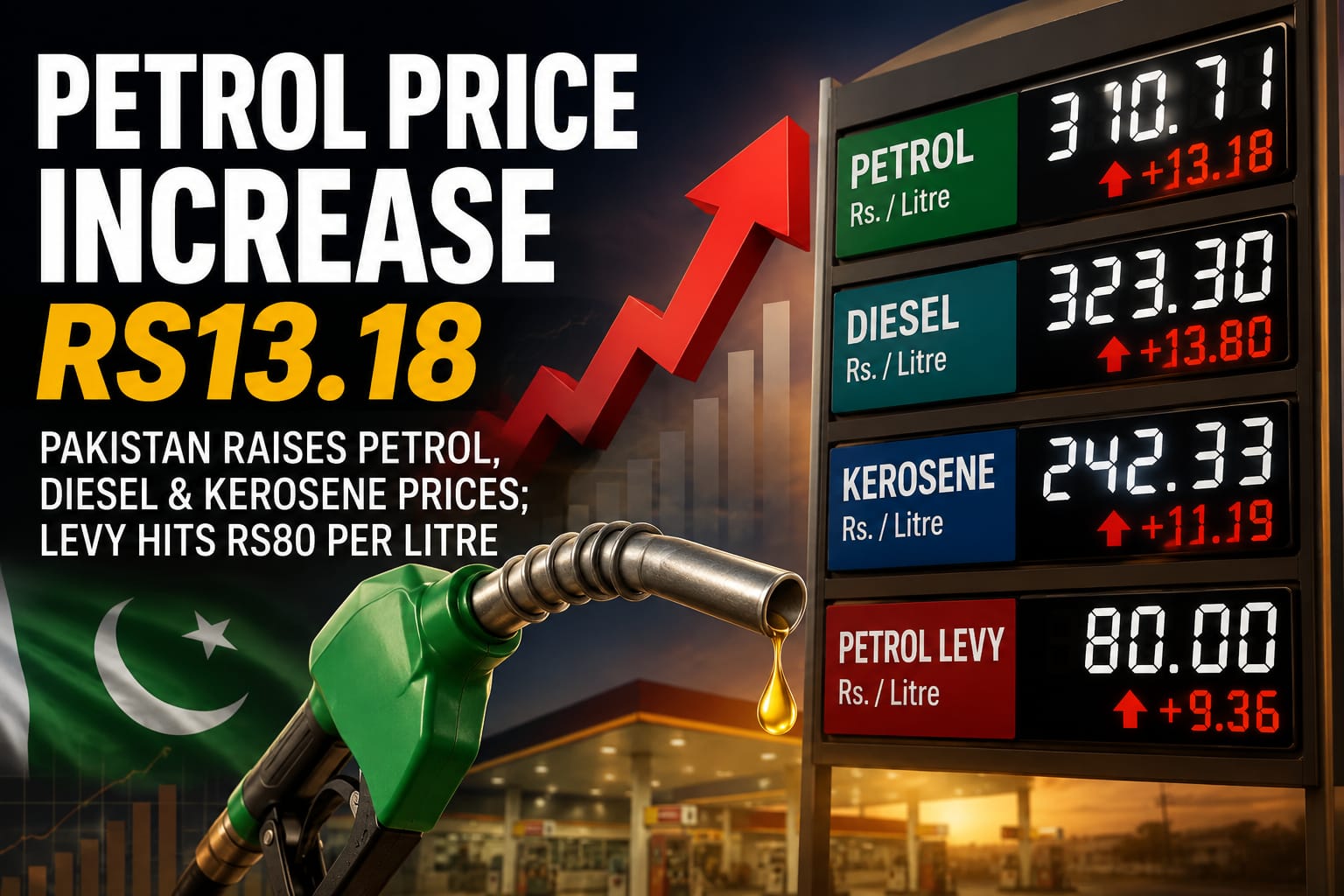
Petrol prices in Pakistan rose by 42.7 percent to Rs 458.40 per litre at their peak, while diesel jumped 54.9 percent to Rs 520.35 per litre, marking one of the steepest increases in recent months.
After some relief in May, a reduction of Rs 6 per litre was announced on May 22, 2026, offering limited relief to consumers after several consecutive fuel price increases.
But this new rise in global crude prices could reverse even that small relief.
What Does This Mean for Your Daily Life?
When crude oil prices go up, the impact does not stop at the petrol pump.
Petrol and Diesel Prices Go Up
Petroleum prices in Pakistan are now being adjusted on a weekly basis, with new rates usually announced every Friday. These revised prices stay in effect for the next week, enabling the government to react more swiftly to shifts in global crude oil prices and changes in currency exchange rates.
This means any rise this week could show up in your petrol price as soon as this Friday.
Transport Costs Rise
Rickshaws, buses, trucks, and delivery services all run on petrol or diesel. When fuel gets expensive, they charge more. You pay more to travel. Your online orders cost more to deliver.
Food Prices Go Up
Farmers use diesel to run tube wells and tractors. Suppliers use trucks to move food. Every step uses fuel. Higher fuel means higher food prices. Vegetables, flour, and cooking oil all feel the impact.
Inflation Increases
Analysts say the knock-on effects of rising oil prices are increasingly severe, impacting everything from agriculture and transport to the price of food and basic goods, worsening the plight of families already facing a cost-of-living crisis.
What Experts Are Saying?
Oil prices will likely remain elevated, in a range of $90 to $100 per barrel, through the rest of the year and into 2027 even if the Strait of Hormuz reopens in early June.
That is the view of senior energy advisor Amos Hochstein, who spoke to CNBC.
The US Energy Information Administration expects global oil inventories to fall by an average of 8.5 million barrels per day in the second quarter of 2026, keeping Brent prices around $106 per barrel in May and June.
In short, this is not a one-day spike. The pressure is expected to continue for months.
Will Pakistan’s Petrol Prices Rise Again?
Very likely yes. Here is why.
Energy market observers say fuel prices in Pakistan remain highly sensitive to global crude trends and currency movements. Uncertainty in global oil markets could continue to influence future fuel adjustments in Pakistan.
Global crude oil price is the single biggest driver of Pakistan’s petrol prices. Pakistan uses Arab Gulf benchmark pricing.
With Arab Gulf benchmarks rising again this week, OGRA will likely recommend a price increase in its next review.
What Can You Do Right Now?
You cannot control global oil prices. But you can take steps to reduce your own exposure.
- Use less fuel: Combine multiple errands into one trip. Share rides when possible.
- Check prices every Friday: OGRA now announces weekly revisions. Stay informed so you are not caught off guard.
- Plan your budget: Add a fuel buffer to your monthly expenses. Prices are volatile right now.
FAQs
The main reasons are the ongoing US-Iran conflict, uncertainty around the Strait of Hormuz, and falling global oil inventories. All three factors pushed prices higher on June 3, 2026.
Brent is the main global oil benchmark. It is used to set prices for oil traded around the world. Pakistan uses Arab Gulf benchmarks, which closely follow Brent crude movements.
Pakistan imports most of its oil. When global crude prices go up, the cost of importing oil increases. OGRA reviews this and recommends new petrol and diesel prices, usually every week right now.
Based on the crude oil price rise this week, there is a high chance of an upward revision in the next OGRA announcement expected on Friday.