Saira Imran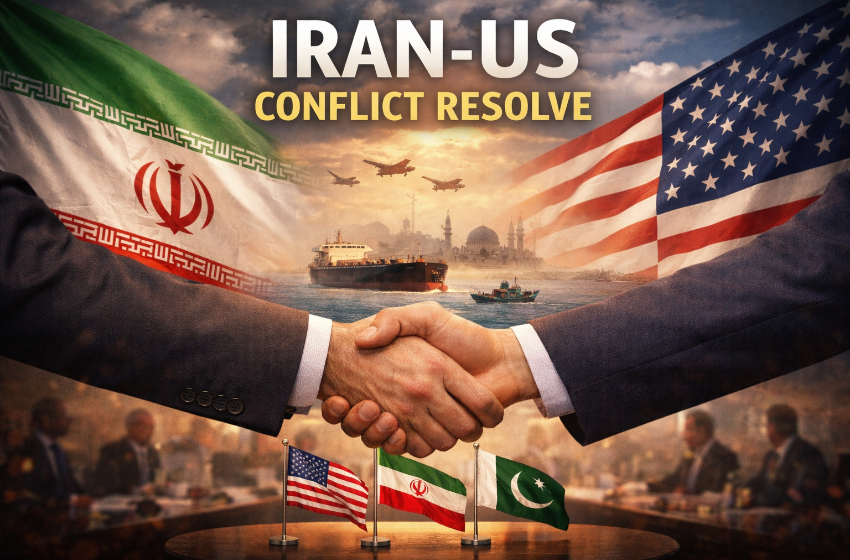
Iran-US Conflict Resolve Gains Momentum in 2026
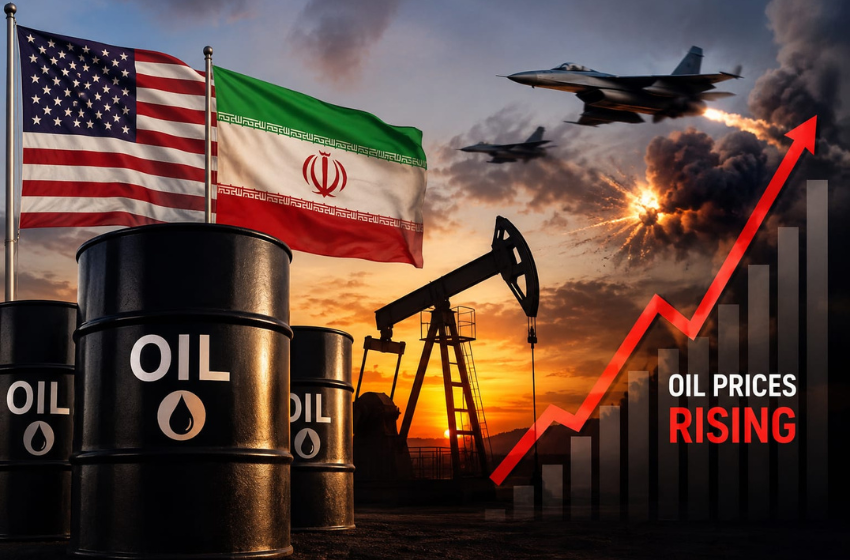
The Iran-US Conflict Resolve is gaining global attention as fresh diplomatic developments signal a possible breakthrough between long-time rivals.
The latest developments follow weeks of intense conflict, economic disruption, and global concern over energy security. Recent ceasefire efforts and the reopening of key maritime routes have created cautious optimism among world leaders and markets.
Reports suggest that both countries are actively engaging in backchannel diplomacy, with mediators working to secure a long-term agreement. However, uncertainties remain as military restrictions, political conditions, and strategic interests continue to shape the pace of negotiations.
Latest Developments in Iran-US Tensions
Recent statements from Donald Trump highlight a positive shift in relations. The US President publicly thanked Iran after it announced the reopening of the strategically vital Strait of Hormuz.
Iran’s Foreign Minister Abbas Araghchi confirmed that the route is now fully open for commercial vessels. Authorities will regulate maritime traffic through coordinated shipping lanes to ensure safety and efficiency.
Read Also: Asim Munir Tehran Visit: Pakistan’s Diplomatic Role
This move comes after a regional ceasefire linked to the Lebanon situation. It signals a clear attempt to reduce tensions and stabilize global trade flows.
Why the Strait of Hormuz Matters?
The Strait of Hormuz plays a critical role in global energy supply. A large share of the world’s oil shipments passes through this narrow waterway.
Any disruption here affects oil prices, shipping costs, and global markets. By reopening the route, Iran has helped ease fears of supply shocks and economic instability.
This step directly supports Middle East peace talks, which remain a key focus for global powers.
Diplomatic Efforts and Pakistan’s Role
Diplomatic sources indicate that negotiations between United States and Iran are progressing steadily. Pakistan has emerged as an important mediator in these talks.
There are strong indications that the next round of negotiations may take place in Islamabad. Officials from both sides have shown willingness to engage in direct dialogue.
Read Also: Pakistan Offers to Host Iran US Talks Second Round in Islamabad
This aligns with ongoing US Iran negotiations aimed at reducing hostility and restoring diplomatic channels.
Economic and Global Impact
The reopening of Hormuz has already improved market sentiment. Oil prices have stabilized, and shipping routes have resumed normal operations.
Global investors now view the situation with cautious optimism. A successful agreement could unlock trade opportunities and reduce geopolitical risks.
It may also influence global oil trade routes, ensuring smoother supply chains and lower volatility.
Challenges Still Remain
Despite the progress, several issues remain unresolved. These include nuclear concerns, regional security disputes, and long-standing political mistrust.
Both nations must address these complex matters through sustained dialogue. Experts believe that even small setbacks could delay the process.
What Lies Ahead for Iran-US Relations?
The coming weeks will prove critical. If talks continue at the current pace, both sides could reach a historic agreement.
The possibility of high-level meetings, including a visit by US leadership to Pakistan, shows how serious both countries are about ending the conflict.
Final Thoughts
The evolving situation shows that diplomacy is slowly replacing confrontation. The reopening of key trade routes and renewed negotiations indicate real progress.
If momentum continues, the Iran-US Conflict Resolve could reshape regional stability and global economic dynamics in the months ahead.