Saira Imran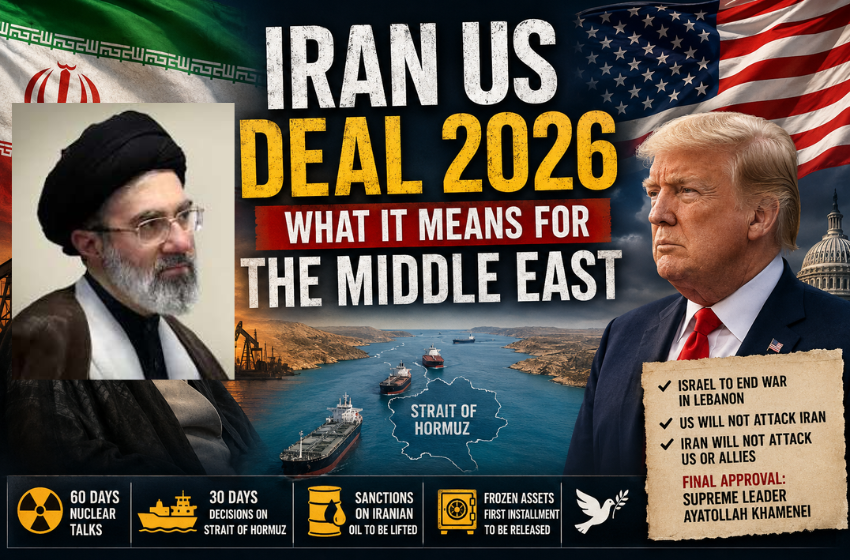
Iran US Deal 2026: What It Means for the Middle East
New details of a proposed Iran-US deal for 2026 have surfaced. Here is everything you need to know about the terms, the timeline, and what happens next.
A Major Iran Us Deal 2026 Is Taking Shape, But Nothing Is Final Yet
The world is watching closely.
New details of a proposed deal between Iran and the United States have come to light. The terms are significant. They cover nuclear negotiations, oil sanctions, frozen assets, and the Strait of Hormuz.
But Iran has not agreed to anything yet.
Iran’s official news agency Tasnim confirmed that Tehran has not accepted any measures related to its nuclear program so far. The talks are still ongoing. And every decision, according to Iranian President Masoud Pezeshkian, must go through Supreme Leader Mojtaba Khamenei before it becomes final.
Diplomatic observers closely watch this development as one of the most significant in 2026.
What Does the Proposed Iran US Deal Include?
Here are the key points from the proposed Memorandum of Understanding (MOU):
- On Nuclear Talks: Negotiators will set a 60-day timeline for nuclear talks. Both sides will use this window to reach a formal agreement on Iran’s nuclear program.
- On the Strait of Hormuz: Authorities will give 30 days to decide the future of the Strait of Hormuz. This is the critical waterway through which a large portion of the world’s oil supply flows. Even if a deal is reached, the Strait of Hormuz will not return to its pre-war status.This is a key condition from the Iranian side.
- On Oil Sanctions: The United States will lift or suspend its sanctions on Iranian oil. This has been a major demand from Tehran for years. Sanctions have severely limited Iran’s ability to sell oil on the international market.
- On Frozen Assets: The agreement will release the first installment of Iran’s frozen assets. The procedure for releasing the second installment will be clarified during the negotiation process.
- On Israel and Lebanon: The proposed MOU requires Israel to end its war in Lebanon. This condition directly links the Iran US deal to the ongoing conflict in the region.
- On Non-Aggression: The draft agreement includes a condition that the US will not attack Iran again. In return, Iran will also not attack the United States or any of its allies.
Why This Deal Matters And Why the World Is Paying Attention
This is not just a diplomatic agreement between two countries.
The Iran US deal of 2026 has the power to reshape the entire Middle East. Here is why it matters so much.
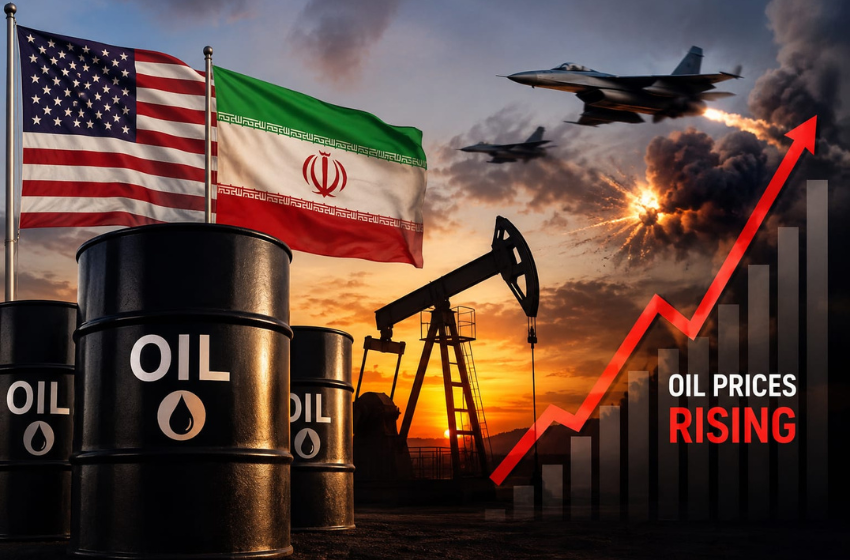
- Affects global oil prices: Iran holds enormous oil reserves. Lifting US sanctions will allow more Iranian oil to enter the global market. That typically brings oil prices down. Lower oil prices affect fuel costs, transportation, and the cost of everyday goods around the world.
- Regional security: The Strait of Hormuz is one of the most strategically important waterways on the planet. Nearly 20 percent of the world’s oil passes through it. Any deal that stabilizes this region directly reduces the risk of a wider war.
- Links multiple conflicts together: The deal reportedly includes a condition for Israel to stop fighting in Lebanon. This is a major development. It means the Iran US negotiation is not just about nuclear weapons. It is also about reshaping conflict zones across the region.
- Signals a shift in US foreign policy: The United States has maintained heavy sanctions on Iran for decades. A deal that suspends or lifts those sanctions would mark a historic shift. It would signal that diplomacy, not military pressure, is the new approach.
What Iran Says: Supreme Leader Has Final Word
Iranian President Masoud Pezeshkian made one thing very clear.
Supreme Leader Mojtaba Ali Khamenei must approve every decision.
Pezeshkian stated that the Supreme Leader must approve and coordinate any decision.
Even if negotiators agree on the terms, the deal remains incomplete. The Supreme Leader must sign off. This adds a layer of uncertainty to the entire process.
Iran has not accepted any steps related to its nuclear program so far. Tasnim news agency confirmed this clearly. The nuclear question remains the most sensitive and complicated part of the talks.
The Strait of Hormuz: A Red Line for Iran
One detail stands out above the rest.
Even if a full deal is signed, the Strait of Hormuz will not return to its state before the recent conflict.
This is a strong signal from Iran. It suggests that Tehran views its position on this waterway as a permanent strategic gain. It will not give that up even in exchange for sanctions relief and asset unfreezing.
This could become a major point of tension in future negotiations.
What Happens Next?
The proposed timeline gives both sides a short window to act.
Nuclear talks must happen within 60 days. Strait of Hormuz measures must be decided within 30 days. The first installment of frozen Iranian assets should be released early in the process.
But there are still many unknowns.
Will Iran’s Supreme Leader approve the deal and agree to stop its war in Lebanon? Will the US Congress support lifting oil sanctions? These are all open questions.
The coming weeks will be critical.
Final Thought
The Iran US Deal 2026 has not been signed. It is not final. But its details are already sending strong signals to the world.
Oil markets are watching. Regional governments are watching. And millions of ordinary people whose lives are affected by war, fuel prices, and economic sanctions are watching too.
This deal, if it happens, could change a lot.
Stay with AjjKiBaat for the latest updates as this story develops.