Saira Imran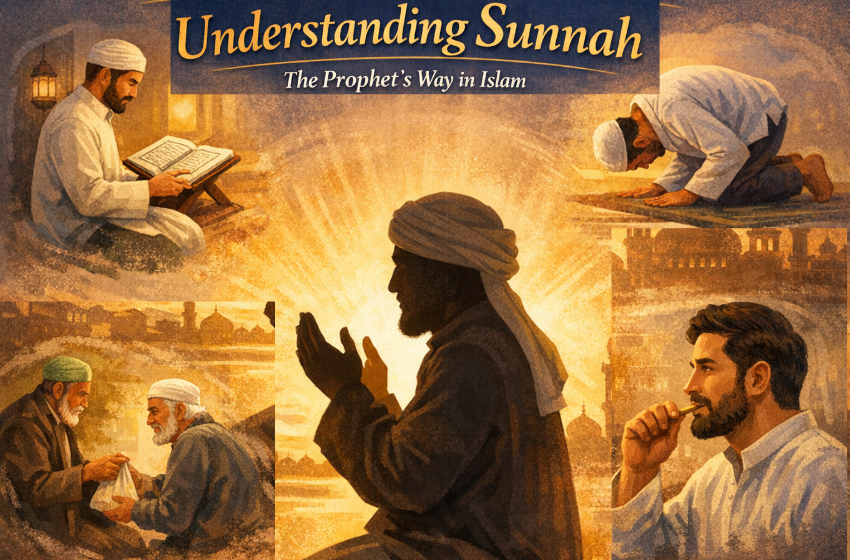
What is Sunnah: Meaning, Types, and Importance in Islam
What is sunnah is a common question for Muslims and non-Muslims who want to understand Islamic teachings clearly. Sunnah refers to the way of life of Prophet Muhammad (peace be upon him). It includes his actions, sayings, habits, and approvals.
Muslims follow Prophet’s acts to live according to Islamic values because it guides daily worship, social behavior, ethics, and personal conduct. It also helps Muslims understand the Quran better. Without Sunnah, many Islamic practices remain incomplete or unclear. That is why scholars consider Sunnah a key source of Islamic guidance after the Quran.
What is sunnah in Islam?
The Sunnah meaning comes from the Arabic word that means a path or tradition. In Islam, it refers to the Prophet Muhammad ﷺ practical example. It gives clear guidance where the Quran gives general rules. In Islam, it is the practical path the Prophet showed for Muslims to follow. It includes everything he said, did, or approved.
The Quran says Allah sent the Prophet from among his people to purify them and teach them the Book and the Hikmah; the wisdom and acts of the Prophet (his legal ways, statements, acts of worship, etc.). In other words, the Sunnah is the Prophet’s example that guides belief and action.
It is like a “walking Quran”; a living interpretation of the Quran’s teachings. It is sometimes called a manual for human excellence, because it covers every facet of life: how one worships in private, does business honestly, treats neighbors with kindness, or even maintains personal hygiene.
Allah praised the Prophet’s character, saying,
“And indeed, you are of a great moral character.”(68:4).
This shows that following the Prophet’s behavior means following a high ethical and spiritual example. In short, the Sunnah definition is: the Prophet’s actions and teachings (his precedent), which Muslims strive to emulate as a guide from Allah.
The Three Types of Sunnah
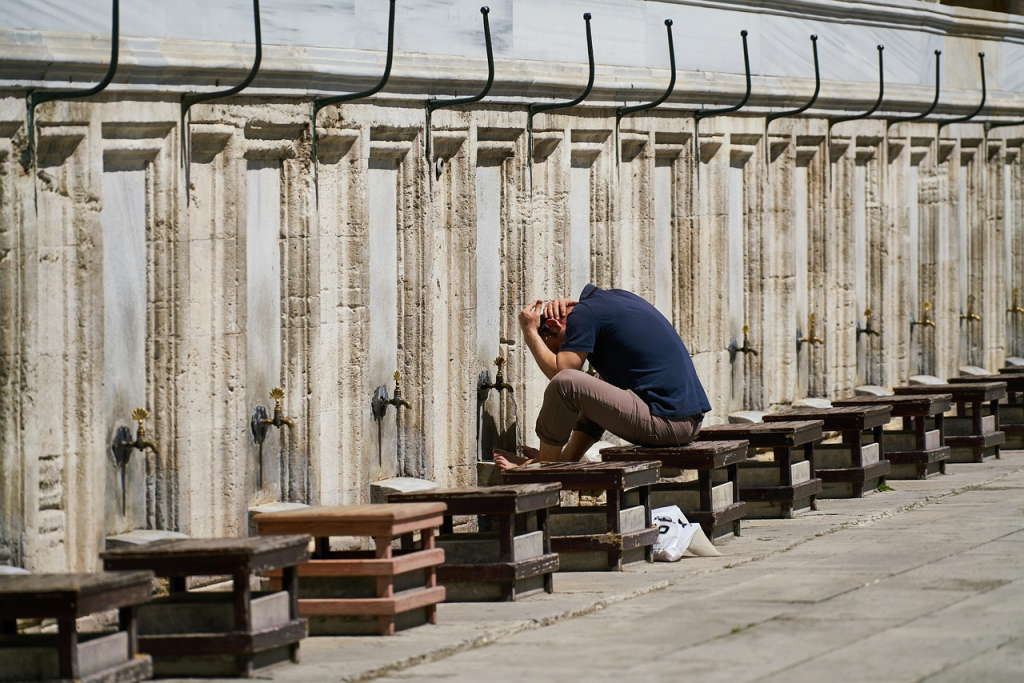
Scholars categorize the Sunnah into three main types based on how the guidance is transmitted:
- Sunnah Qawliyyah (Verbal): The Prophet’s sayings and teachings. For example, the famous hadith “Actions are judged by intentions” teaches us an important rule about sincerity (Sahih Bukhari).
- Sunnah Fi’liyyah (Action-based): The actions and habits of the Prophet. For instance, he demonstrated exactly how to perform the five daily prayers and then said, “Pray as you have seen me praying.” (Sahih Bukhari). This showed the precise movements of bowing, prostration, etc.
- Sunnah Taqririyyah (Silent Approval): Acts by others that the Prophet witnessed and did not forbid. His silence or approval made these actions permissible. For example, when two companions performed dry ablution (tayammum) due to no water, the Prophet ﷺ approved both options – so both ways became allowed under Sunnah.
Each type is a form of guidance. Together they show that it is not just a few rituals, but a method of life; what to say, what to do, and what Allah’s Messenger allowed us to do.
Sunnah and Quran: Working Together
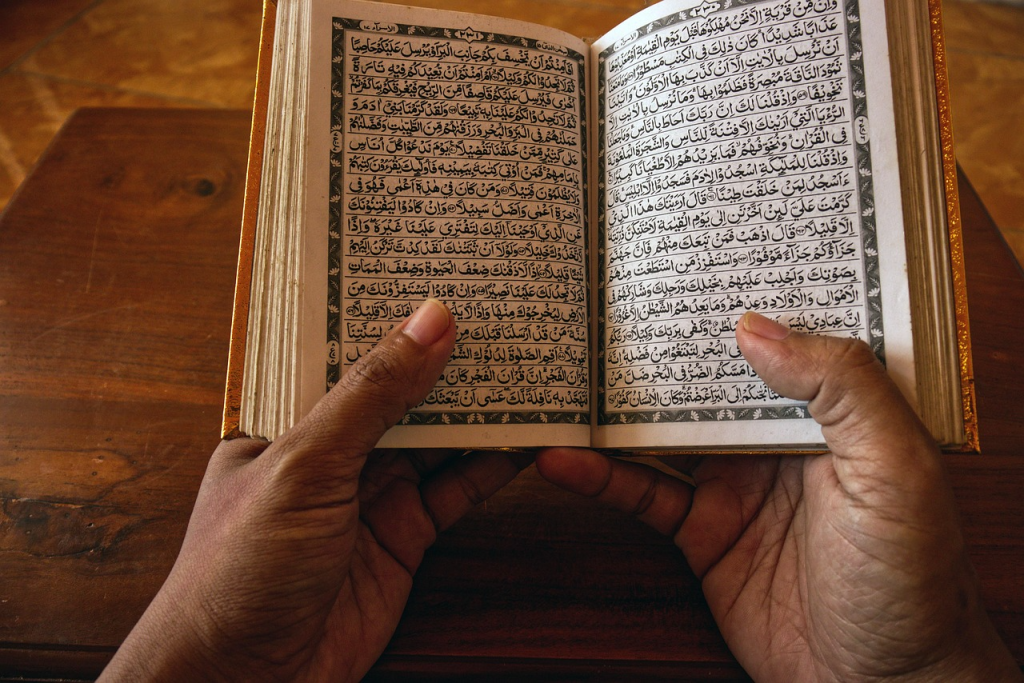
The Quran and Sunnah go hand in hand. The Quran is Allah’s word, but many of its commands are general. It explains how to implement them. For example, the Quran tells us to “establish prayer,” but it is the Prophet’s act that details the number of units (rak‘ahs), words, and movements.
Similarly, it specifies the details of charity (Zakat) and other acts. The Prophet ﷺ said that he is leaving “two things” for us: the Book of Allah and his Sunnah. He warned, “Whoever abandons my Sunnah is not of me.” This hadith underlines that following Prophet’s acts are as important as following the Quran itself. In fact, Allah made loving and following the Prophet ﷺ a sign of true faith:
“If you love Allah, then follow me; Allah will love you and forgive you your sins.” (Quran 3:31).
Sunnah Prayers (Optional Prayers)
Sunnah prayers are voluntary (non-obligatory) prayers that the Prophet regularly offered in addition to the five daily fard (required) prayers. They are a way of seeking extra closeness to Allah by imitating the Prophet ﷺ. While the five daily Salah are fard (obligatory),
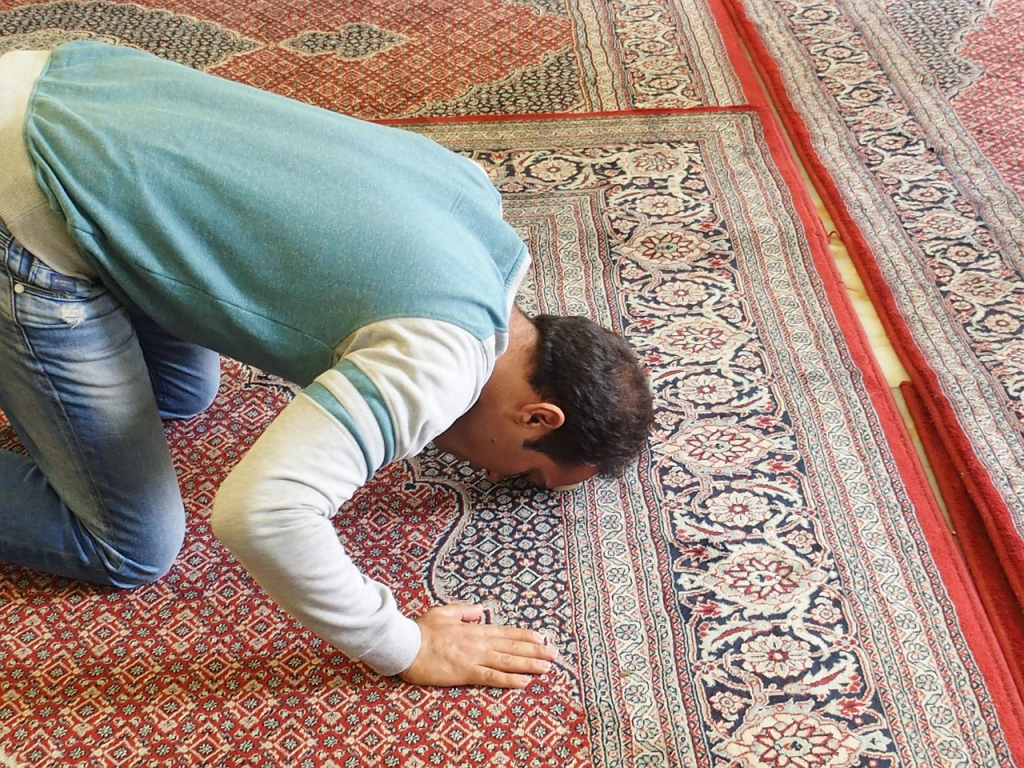
These prayers are mustahabb (encouraged). Performing them earns extra reward, and neglecting them does not incur sin. The Prophet ﷺ often prayed Sunnah before or after the fard prayers to gain more blessings. For example, he taught Muslims to pray 2 extra rak‘ahs before the dawn prayer (Fajr) and additional units surrounding the noon prayer (Zuhr) and others.
It’s important to note that there is no such thing as “fard Sunnah prayers.” In Islamic terminology, “fard” means required and “Sunnah” means recommended. Thus, prayers are either fard or voluntary. The term “fard Sunnah” can be confusing. Some people use it informally to mean the emphasized Sunnah prayers (called Sunnah Mu’akkadah), but technically a Sunnah prayer is never obligatory.
Fard vs. Sunnah: A Simple Comparison
To clarify:
- Fard (Obligatory): These prayers must be performed (five daily prayers). Skipping them without valid reason is considered sinful.
- Sunnah (Voluntary): These are extra prayers that the Prophet liked to pray. They are optional, but highly encouraged for extra reward. For instance, praying two rak‘ahs before Fajr or four before Zuhr are Sunnah practices.
By following the Sunnah prayers, Muslims show love and respect for the Prophet ﷺ and earn blessings. The Prophet said, “Whoever follows my Sunnah belongs to me”, highlighting that such acts bring one closer to his example.
Examples of Sunnah in Everyday Life
The Sunnah is not limited to rituals; it also includes everyday actions and manners. In daily life, following the Prophet’s example can be as simple as adopting good habits he taught. Some examples include:
1. Daily Prayers and Remembrance
Praying on time and adding Prophet’s act units, saying “Bismillah” (in the name of Allah) before eating or drinking, and “Alhamdulillah” (praise be to Allah) after. The Prophet ﷺ started his meals with Bismillah and finished with gratitude, setting an etiquette.
2. Good Etiquette and Kindness
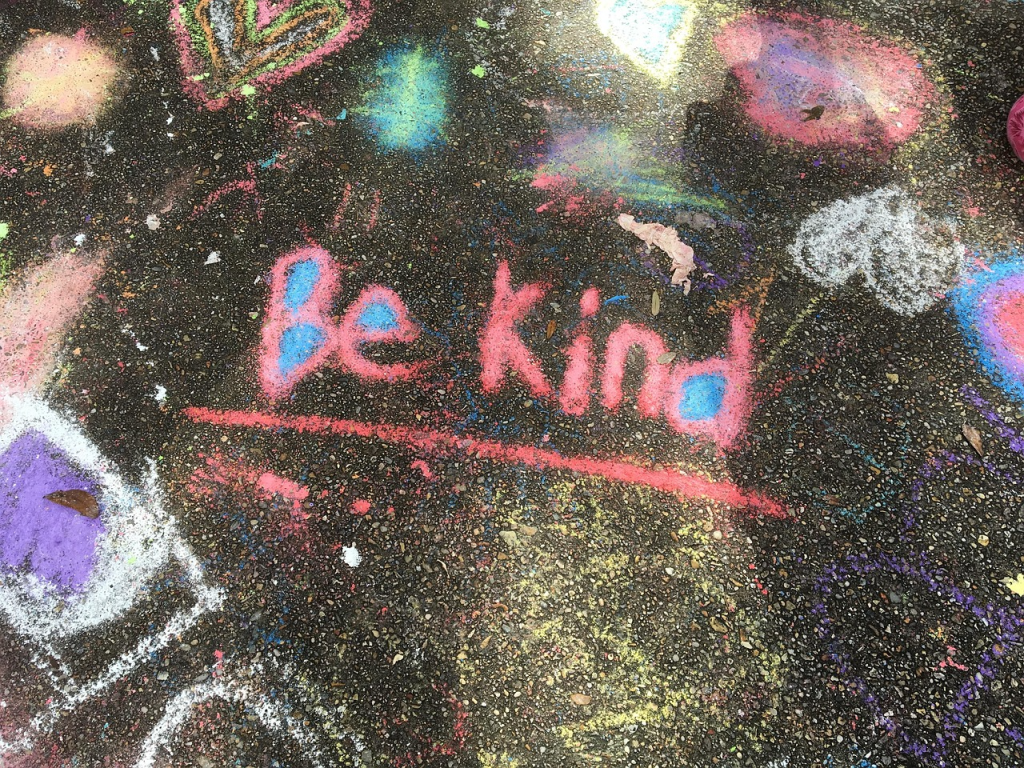
Greeting people with “As-salamu ‘alaykum” (peace be upon you) is a Prophet’s act that spreads love among Muslims (Prophet ﷺ said that spreading salam is part of faith). He also said, “None of you truly believes until he loves for his brother what he loves for himself.” (Sahih Bukhari), encouraging kindness, honesty, and fairness. He treated his family and neighbors kindly, so treating others with respect was an everyday Prophet’s act.
3.Cleanliness and Personal Care

The Prophet ﷺ emphasized hygiene. He used a miswak (natural toothbrush) for oral care, trimmed nails, and kept his clothes and body clean. These acts of cleanliness are sunnah because the Prophet did them regularly. Eating with the right hand, which he taught, is also a Prophet’s practice.
4. Modesty and Character
He was always gentle, patient, and forgiving. For instance, he never spoke rude words, avoided anger, and always gave people the benefit of the doubt. Emulating his noble character; being humble, truthful, and compassionate is part of following His act.
5. Simple Living
The Prophet ﷺ lived modestly and discouraged excess. He ate simple foods, drank water, and didn’t boast. Sharing food with family and neighbors or giving charity quietly are His acts that reflect his way of life.
Each of these examples is rooted in texts or documented habits of the Prophet ﷺ. By practicing even small acts every day, Muslims feel connected to his example. These simple acts make the faith practical and personal.
Why Following the Sunnah Matters?
It matters because it helps believers apply Islam in real life. The Quran itself urges following the Messenger: “Allah has given you a good example [uswa hasana] in the Messenger of Allah…”. In the Quran, Allah also says:
“Whoever honors Allah’s Messenger, Allah has honored him.” (Quran 49:7).
This means respecting and following the Prophet is a path to Allah’s pleasure.
Furthermore, following Prophet’s act is a divine blessing. Quran 3:164 says Allah conferred a great favor on believers by sending the Prophet to teach them the Book and wisdom – and explicitly calls the Prophet’s practice part of that gift. The Prophet ﷺ himself warned that abandoning his acts leaves one “with no share in Islam”. In other words, the Sunnah and Quran together are keys to guidance. Ignoring Prophet’s practices means missing out on following Allah’s guidance through His Messenger.
By following Prophet’s acts, Muslims align themselves with the Prophet’s example of faith, worship, and ethics. It ensures that worshipping Allah is done correctly and that social interactions remain compassionate. As one scholar put it, adhering to the Sunnah is part of the “methodology of Islam” and a saved way of life.
Final Thoughts
Understanding what is sunnah helps Muslims practice Islam correctly. It is the living model of Islam that shows how to act on the Quran’s teachings. For a new Muslim or anyone exploring the faith, Prophet’s acts provides practical guidance.
By learning Sunnah definition, following Prophet’s acts and prayers, and practicing them manners, a believer strengthens faith and gains Allah’s blessings. Remember that the Prophet ﷺ said, “Whoever follows my Sunnah is of me.” Embracing the Sunnah in all aspects of life, worship, character, and relationships brings the Quran to life and keeps one on the straight path.
FAQs
The three types include the Prophet’s actions, his sayings, and his silent approvals. Each type guides Islamic practice and behavior.
Hadith records the Prophet’s words and actions, while Sunnah refers to the practical way derived from authentic hadith and lived example.
Sunnah in everyday life includes manners, hygiene, kindness, honesty, and daily habits practiced by the Prophet and followed by Muslims.
The four Sunni schools are Hanafi, Maliki, Shafi’i, and Hanbali. They interpret Sunnah and Islamic law with slight differences.
Yes, Muslims can pray Sunnah prayers. These voluntary prayers increase reward and strengthen the quality of obligatory prayers.