Saira Imran
What Is Ramadan? Meaning, Fasting Rules, and Importance
What is Ramadan is a common question asked by people around the world, especially those who want to understand Islam better. It is the ninth month of the Islamic calendar. Muslims consider it the holiest month of the year.
During this month, Muslims focus on fasting, prayer, charity, and self-control. This month teaches patience, kindness, and discipline. It also helps people feel closer to Allah and more aware of the poor.
Muslims believe Allah revealed the Quran to Prophet Muhammad (PBUH) during this month, which makes this month spiritually very important.
What Is Ramadan in Islam?
What is Ramadan in Islam relates directly to worship and spiritual growth. Islam teaches Muslims to observe this month as an act of obedience to Allah. Fasting during this month is one of the Five Pillars of Islam. Every healthy adult Muslim must fast unless Islam gives them an exemption. Muslims use this month to improve their character, strengthen faith, and avoid bad habits.
According to Islamic teachings, fasting during this holy month cleanses the soul and controls desires. Muslims increase prayers, read the Quran daily, and seek forgiveness. Mosques stay active, especially during night prayers called Taraweeh.
Islamic scholars explain that this holy month connects believers with Allah and society. Charity increases sharply in this month. A report by Islamic Relief states that charitable giving rises by over 30% during this holy month globally.
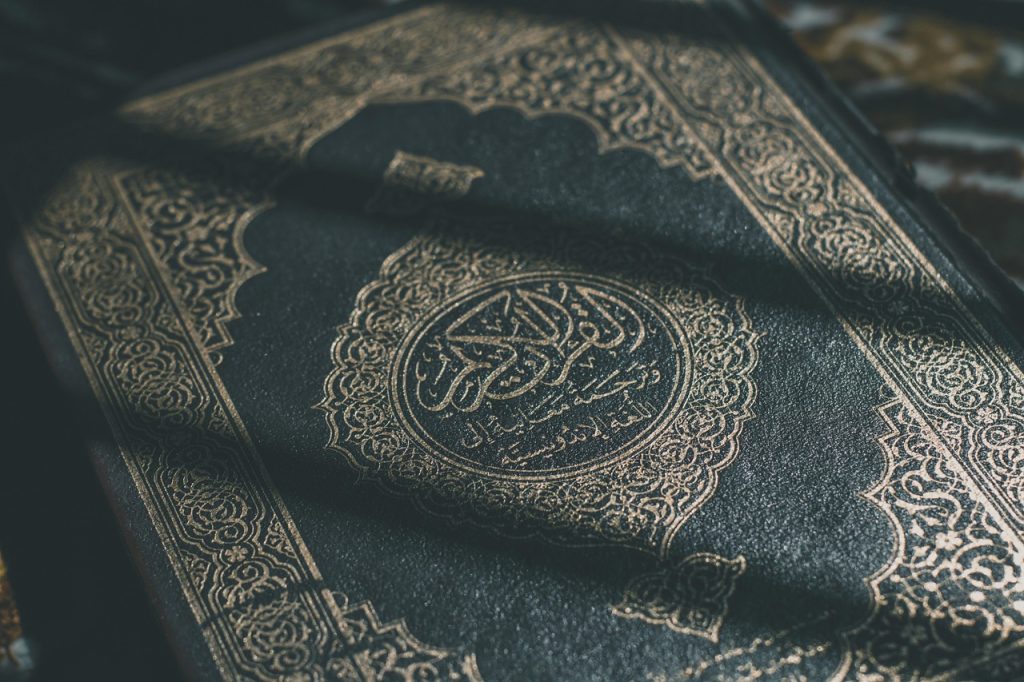
Key Acts of Worship in this Holy Month
Muslims increase worship through:
- Daily Quran recitation and night prayers
- Charity, known as Zakat and Sadaqah
These acts improve social balance and reduce poverty.
What Month Is Ramadan?
Many people ask, what month is Ramadan? This holy month follows the Islamic lunar calendar. It begins when Muslims see the new moon. Because the lunar calendar is shorter than the Gregorian calendar, Ramadan moves back about 10–11 days every year.
This means Ramadan can occur in any season. In some years, fasting happens during long summer days. In other years, fasting occurs in shorter winter days. Muslims adjust their daily routine based on sunrise and sunset times in their region.
The lunar system helps Muslims stay connected to nature and Islamic tradition.
What Is Ramadan Fasting?
What is Ramadan fasting refers to abstaining from food, drink, and other physical needs from dawn (Fajr) until sunset (Maghrib). Muslims begin fasting with a pre-dawn meal called Suhoor. They end the fast with Iftar, often starting with dates and water, following the Sunnah of Prophet Muhammad (PBUH).
Fasting also includes avoiding bad speech, anger, and harmful behavior. Islam teaches that fasting without good behavior does not fulfill its true purpose.
According to Pew Research Center, over 1.9 billion Muslims worldwide observe Ramadan fasting every year.
What Is Ramadan Fasting Rules?

Understanding what is Ramadan fasting rules helps avoid confusion. Islam sets clear guidelines for fasting.
Muslims must follow these core fasting rules:
- They must avoid eating, drinking, smoking, and marital relations from dawn to sunset.
- They must maintain good character, honesty, and patience throughout the day.
Islam allows exemptions for children, elderly people, pregnant women, travelers, and sick individuals. These people can make up missed fasts later or give charity instead.
Breaking a fast intentionally without a valid reason requires repentance and compensation under Islamic law.
What Is Ramadan for Kids?
What is Ramadan for kids focuses on teaching values instead of obligation. Islam does not require children to fast until puberty. However, many families encourage short or half-day fasts to build understanding.
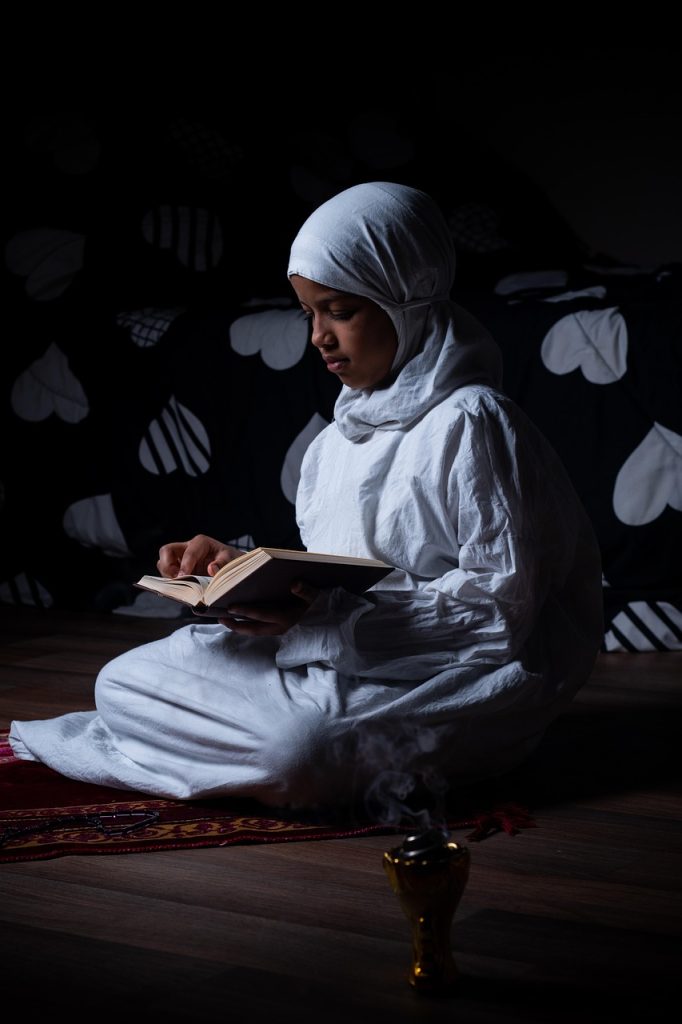
Parents teach kids about kindness, sharing food, prayer, and gratitude. Children often participate by helping prepare Iftar or giving charity.
Studies show that early religious education strengthens moral development in children.
Why Muslims Celebrate Ramadan?
Muslims celebrate Ramadan because Allah commands fasting in the Quran. The Quran states that fasting helps believers gain self-control and righteousness. It also marks the revelation of the Quran, which guides Muslim life.
Muslims celebrate spiritual success rather than festivals during holy month. The month ends with Eid-ul-Fitr, a joyful day of prayer and charity.
Health and Social Benefits of Ramadan
Medical studies show that controlled fasting improves metabolic health. Research published by Harvard Health confirms that intermittent fasting supports heart health and insulin control.
This holy month also strengthens family bonds. Families eat together daily and pray together at night.
Final Thoughts
Understanding what is Ramadan helps people appreciate Islamic values of patience, kindness, and discipline. It teaches us self-control and compassion for others. It strengthens faith and community bonds worldwide.
FAQs
Ramadan celebrates faith, fasting, and the Quran’s revelation.
Muslims must fast from dawn to sunset and follow Islamic behavior.
It means self-discipline, faith, and spiritual growth.
Eating, drinking, and bad behavior during fasting hours remain forbidden.
It lasts 29 or 30 days, depending on moon sighting.