Saira Imran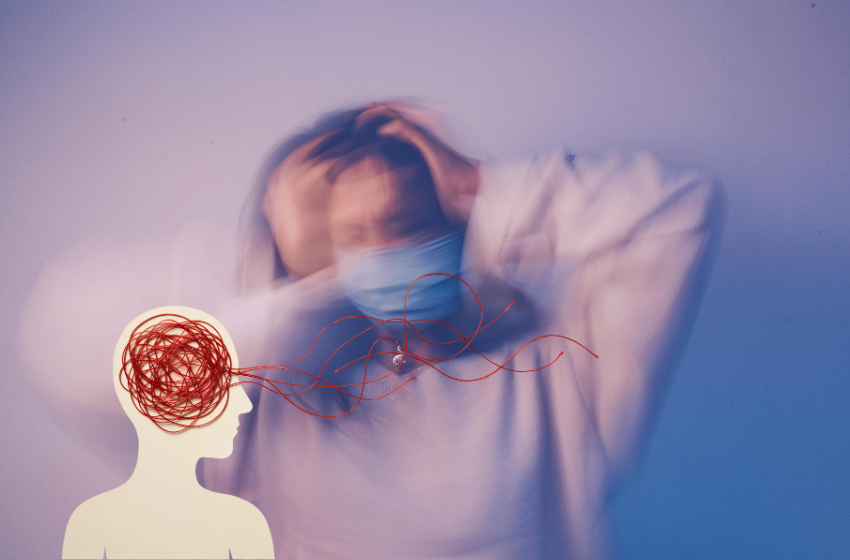
What Is Depression and Anxiety – A Complete Guide
What is depression and anxiety is a question many people ask when they feel low, worried, or overwhelmed. Depression and anxiety are two common mental health conditions. They affect how you feel, think, and act.
People with these conditions may struggle with daily life, work, school, and relationships. They can also feel tired, hopeless, tense, or restless on most days. These problems are real health issues. They are not signs of weakness or something you can just “snap out of.” Experts estimate that more than 5% of people worldwide live with depression, and many more have anxiety or both conditions together.
What Is Depression and Anxiety?
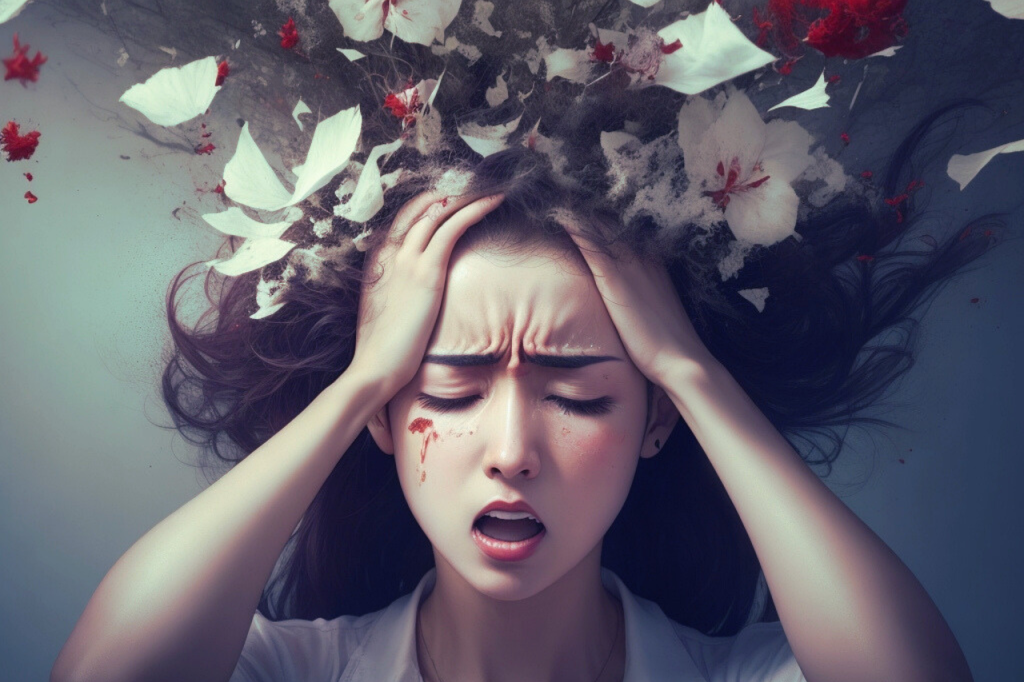
Depression is a mood disorder. It leads to long-lasting sadness or loss of interest in things once enjoyed. Anxiety is a condition of excessive worry or fear that is hard to control. When both problems occur together, they make daily life difficult. Depression affects energy, thoughts, and motivation. Anxiety triggers physical signs like a fast heartbeat, sweating, or trouble breathing.
More than a billion people worldwide live with depression and anxiety, making them among the most common mental health disorders.
Symptoms of depression include:
- Feeling sad or hopeless most of the day
- Loss of interest in activities
- Changes in sleep or appetite
Symptoms of anxiety include:
- Constant worry or fear
- Restlessness or tension
- Trouble sleeping or concentrating
Depression and anxiety often happen together. Many people with depression also have anxiety symptoms. This overlap can make treatment more complex, but it is not impossible.
What Is Depression and Anxiety Caused By?
The question of what depression and anxiety are caused by points to both internal and external factors. Biologically, changes in brain chemicals affect mood and stress response. Environmentally, stress from work, relationships, or school can contribute. Childhood trauma, abuse, or neglect increases vulnerability. Major life changes, such as losing a job or ending a relationship, may trigger these conditions.
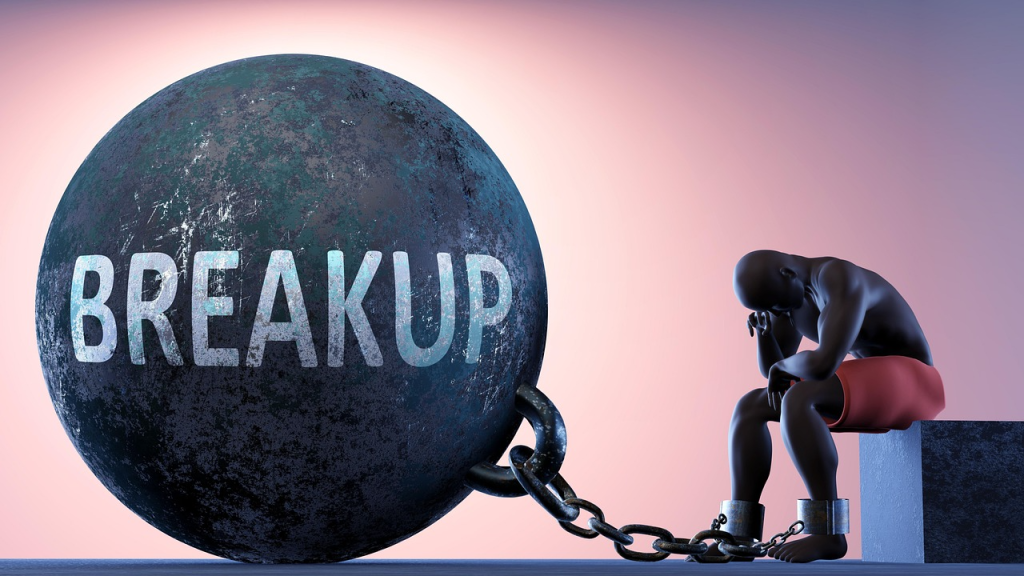
Daily stressors alone do not cause clinical anxiety or depression, but when stress continues for weeks or months, symptoms can grow stronger. Some people develop anxiety first and then depression, while others may experience depression before anxiety.
You can read some causes of depression here: Hidden Causes of Depression You May Not Notice
Some people have health conditions or chronic pain that increase the risk of anxiety and depression. Autoimmune illnesses, for example, show higher rates of depression and anxiety in research. Stress and inflammation from physical illness can affect mood.
Social isolation, financial problems, and lack of support are also common triggers. Understanding all possible causes helps people and clinicians create effective treatment plans.
How Does Depression Start?
How does depression start? varies between individuals. For some, depression begins after a stressful event. For others, it starts gradually without a clear cause. Changes in brain function, hormonal shifts, and long-term stress contribute.
Depression may appear after losing interest in work, socializing less, or feeling tired without reason. Many people first notice small changes, such as trouble enjoying favorite activities or avoiding responsibilities. Over time, these initial signs can intensify, leading to a deeper depressed mood.
Triggers are often a mix of genetic, biological, and social factors. Understanding early signs allows people to seek help sooner rather than later.
What Is Depression and Anxiety Medication?
Medication is one form of treatment used to manage symptoms. Antidepressants help correct imbalances in brain chemistry that affect mood and anxiety. Doctors may prescribe selective serotonin reuptake inhibitors (SSRIs) or other classes of medication depending on symptoms. Medication does not cure depression or anxiety overnight, but it can reduce symptoms over time.
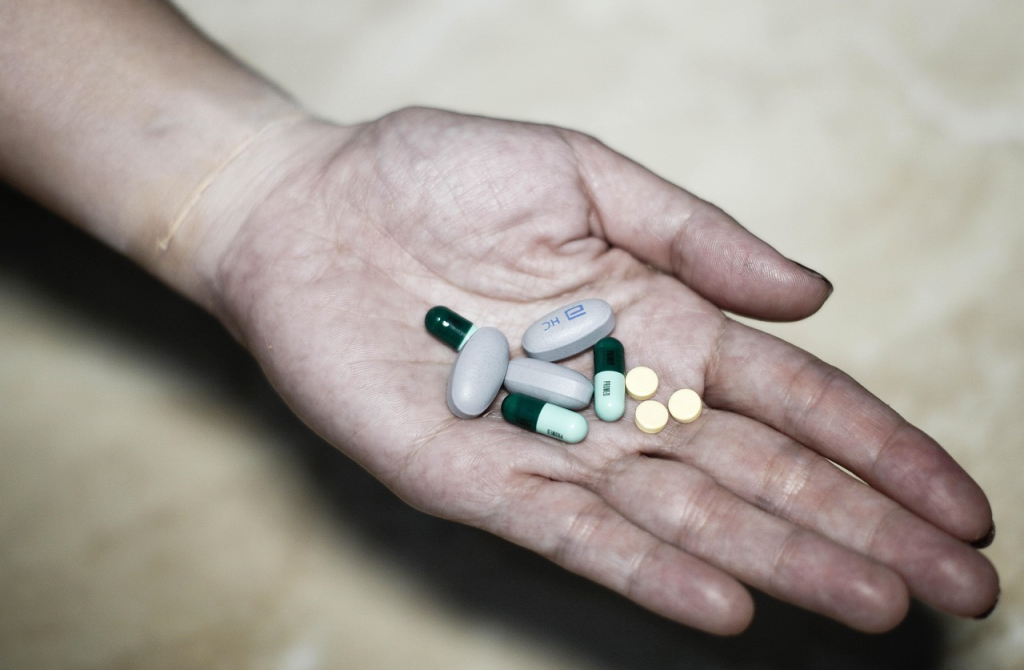
Medication often works best with therapy. Talking therapies like cognitive behavioral therapy (CBT) help people learn better ways to think and cope. Doctors will review symptoms and medical history before prescribing medication. Treatment is personalized, and what works for one person may not work for another. Regular follow-up is essential to monitor effects and adjust doses if needed.
How to Handle Depression and Anxiety?
Learning how to handle depression and anxiety? involves daily habits and professional support. Small lifestyle changes can make a big difference. Experts recommend a mix of self-care and structured treatment.
Key strategies include:
- Maintain regular sleep routines
- Exercise regularly
- Eat balanced meals
- Practice mindfulness or meditation
Therapy helps build coping skills. Support groups allow people to share experiences and reduce the sense of isolation. Medication may also be part of long-term management.
Treatment plans should match each person’s needs. Patience is important; improvements may take weeks or months. Early help increases chances of recovery.
What Is Depression and Anxiety in Pregnancy?
Pregnancy is a time of big physical and emotional changes. Some women develop depression or anxiety during pregnancy or after childbirth. These conditions affect a significant number of expecting and new mothers. Studies show that about 9% of pregnant women worldwide experience symptoms of both depression and anxiety, and these may continue into the postpartum period.
Hormone changes, physical discomfort, and worries about childbirth or parenting can increase risk. Women with a history of depression or anxiety are especially vulnerable. Healthy routines, strong support systems, and early counseling can help manage symptoms. Screening during prenatal care helps detect issues early and guide care.
What Is Depression and Anxiety in Children?
Children can also experience depression and anxiety, though symptoms may look different than those in adults. Persistent sadness, loss of interest in play, or withdrawal from friends can indicate depression. Anxiety in children often appears as extreme fear or worry that interferes with school, social interactions, or daily activities.
Symptoms in children may include irritability, trouble concentrating, or physical complaints like stomachaches or headaches. Separation anxiety, phobias, and generalized anxiety disorder are common anxiety forms in children. Early intervention with family support and professional help can improve long-term outcomes.
What Disability Is Depression and Anxiety?
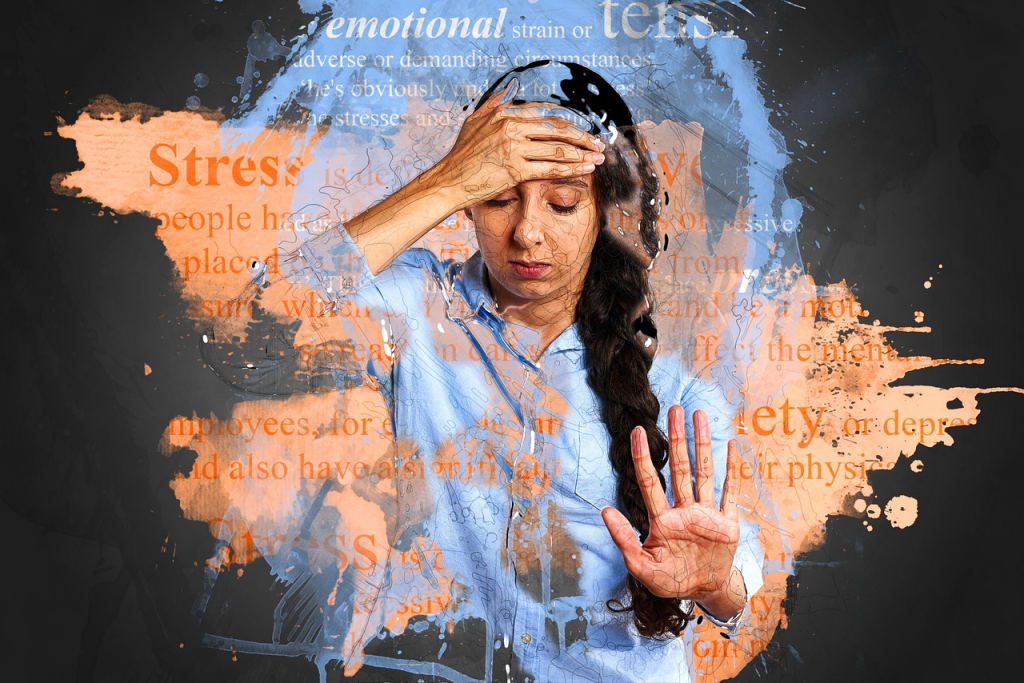
Depression and anxiety are recognized as mental health disabilities when they significantly impair daily functioning. They can make it hard to work, study, or maintain relationships. The World Health Organization ranks depressive disorders as a leading global cause of disability-adjusted life years (DALYs), which measure years lost due to ill health or disability.
Disability in this context means that symptoms restrict normal life activities. Some people may qualify for workplace accommodations or disability benefits when symptoms are severe and persistent.
Final Thoughts
Understanding what is depression and anxiety helps reduce stigma and encourages people to seek help early. These conditions affect millions globally and can occur at any age, including during pregnancy or childhood. While symptoms can be intense, treatment and support make recovery possible. Early care and ongoing support improve quality of life and daily functioning.
FAQs
Depression often shows as persistent sadness, lack of interest in activities, changes in sleep or appetite, and difficulty concentrating. If these signs last most of the day for more than two weeks, talk with a health professional.
Anxiety feels like constant worry or fear that is hard to control, with physical tension. Depression feels like deep sadness, emptiness, or loss of interest. Many people with both feel low energy and excessive worry together.
The best treatment often includes a combination of counseling (psychotherapy), medication when needed, and lifestyle changes like sleep, exercise, and social support.