Saira Imran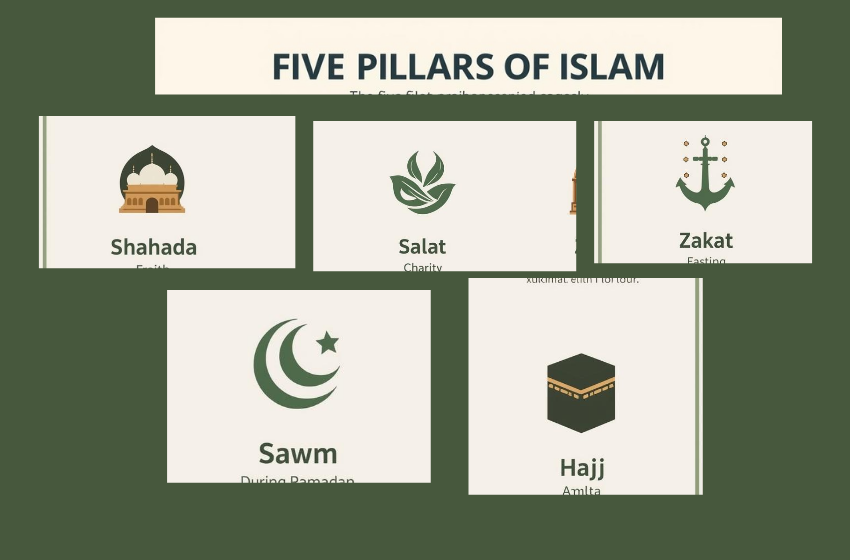
What Are the Five Pillars of Islam? A Clear and Simple Guide
What are the five pillars of Islam form the foundation of Muslim life and practice. These pillars guide how Muslims worship, live, and connect with Allah. They shape daily actions, spiritual duties, and moral values. Every Muslim follows these pillars from an early age. They bring structure, discipline, and purpose to life.
Islam teaches these pillars as mandatory acts, not optional choices. They apply to Muslims across all cultures and regions. Together, they explain how faith turns into action. Without these pillars, Islamic practice remains incomplete. This guide explains each pillar with clear meaning and understanding.
Understanding Islam and Its Core Beliefs
Islam stands as a complete way of life, not only a religion. It teaches faith, worship, character, and social responsibility. Muslims believe in one God, Allah, and follow the guidance revealed in the Quran. The Prophet Muhammad (peace be upon him) delivered this message through words and actions.
Read Also: What Is Islam? Meaning, Beliefs, & Core Principles
Islam religion beliefs focus on worshipping Allah alone, following divine guidance, and preparing for the afterlife. Islam connects belief with practice. Faith stays incomplete without action. The five pillars provide that action-based structure.
What Are the Five Pillars of Islam in Daily Life?
What are the five pillars of Islam in practical terms? They represent five essential acts that every Muslim performs. These acts shape faith, worship, and moral discipline. Each pillar carries equal importance. Muslims cannot ignore any pillar without valid reason.
The five pillars of the Islamic faith include belief, prayer, charity, fasting, and pilgrimage. These pillars connect spiritual belief with real-life behavior. They teach self-control, generosity, patience, and unity.
1. Shahada – Declaration of Faith
Shahada stands as the first and most important pillar of Islam. It means believing and openly declaring that there is only one God, Allah, and that Muhammad (peace be upon him) is His final messenger. This belief forms the base of Islamic faith. Without Shahada, no other act of worship holds value.
Shahada shapes a Muslim’s worldview. It removes all forms of idol worship and confirms complete submission to Allah alone. Muslims repeat this declaration daily and live by it in every action.
Quranic Evidence
Arabic:
لَا إِلَٰهَ إِلَّا اللَّهُ
English Translation:
“There is no god except Allah.”
(Surah Muhammad, 47:19)
Arabic:
مُّحَمَّدٌ رَّسُولُ اللَّهِ
English Translation:
“Muhammad is the Messenger of Allah.”
(Surah Al-Fath, 48:29)
These verses clearly establish the foundation of Islamic belief.
2. Salah – Daily Prayer
Salah represents the second pillar of Islam. Muslims pray five times a day at fixed times. Prayer builds a strong connection between a believer and Allah. It brings discipline, humility, and peace to daily life.
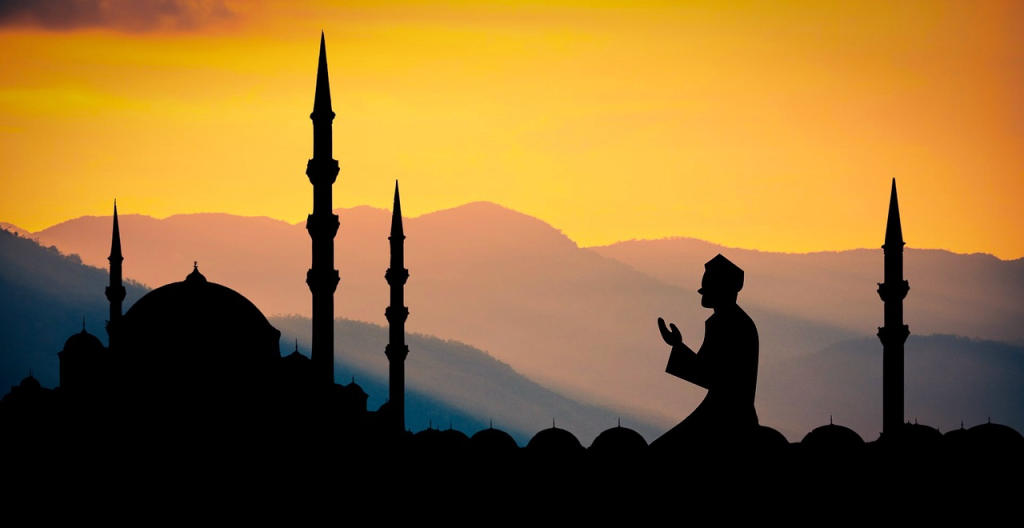
Salah keeps Muslims mindful of Allah throughout the day. It also prevents sinful behavior and strengthens moral character. Islam commands prayer as a duty, not a choice.
Quranic Evidence
Arabic:
وَأَقِيمُوا الصَّلَاةَ
English Translation:
“And establish prayer.”
(Surah Al-Baqarah, 2:43)
Arabic:
إِنَّ الصَّلَاةَ تَنْهَىٰ عَنِ الْفَحْشَاءِ وَالْمُنكَرِ
English Translation:
“Indeed, prayer prevents immorality and wrongdoing.”
(Surah Al-Ankabut, 29:45)
These verses highlight the importance and purpose of prayer in Islam.
3. Zakat – Obligatory Charity
Zakat forms the third pillar of Islam. It requires Muslims to give a fixed portion of their wealth to the poor and needy. Zakat purifies wealth and removes greed from the heart. It also creates balance and justice in society.

Islam does not allow wealth to remain only with the rich. Zakat ensures support for the less fortunate and strengthens community bonds.
Quranic Evidence
Arabic:
وَآتُوا الزَّكَاةَ
English Translation:
“And give zakat.”
(Surah Al-Baqarah, 2:110)
Arabic:
خُذْ مِنْ أَمْوَالِهِمْ صَدَقَةً تُطَهِّرُهُمْ
English Translation:
“Take charity from their wealth to purify them.”
(Surah At-Tawbah, 9:103)
These verses prove that charity holds a central place in Islamic practice.
4. Sawm – Fasting in Ramadan
Sawm represents fasting during the month of Ramadan. Muslims abstain from food, drink, and bad behavior from dawn to sunset. Fasting teaches patience, self-control, and empathy for the poor.
Read Also: What Is Ramadan? Meaning, Fasting Rules, and Importance
Ramadan also strengthens spiritual awareness and gratitude. Islam makes fasting obligatory for all healthy adult Muslims.
Quranic Evidence
Arabic:
يَا أَيُّهَا الَّذِينَ آمَنُوا كُتِبَ عَلَيْكُمُ الصِّيَامُ
English Translation:
“O you who believe, fasting has been prescribed for you.”
(Surah Al-Baqarah, 2:183)
Arabic:
لَعَلَّكُمْ تَتَّقُونَ
English Translation:
“So that you may become righteous.”
(Surah Al-Baqarah, 2:183)
These verses explain the purpose and obligation of fasting in Islam.
5. Hajj – Pilgrimage to Makkah
Hajj stands as the fifth pillar of Islam. Muslims perform Hajj once in a lifetime if they have physical and financial ability. This pilgrimage takes place in Makkah during specific days.
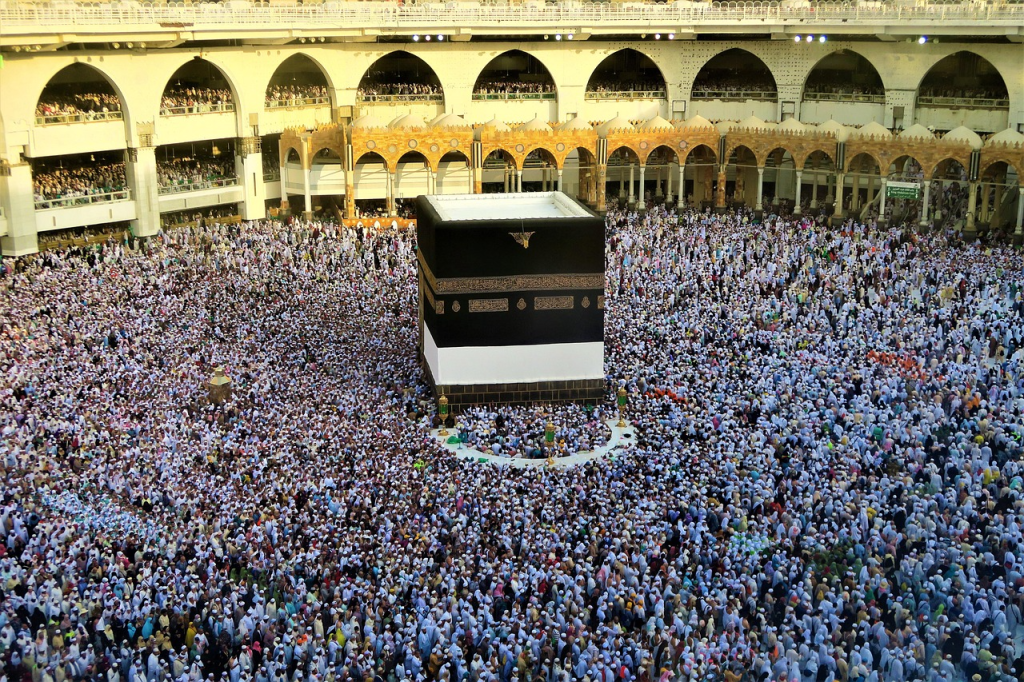
Hajj promotes equality, unity, and humility. All pilgrims wear simple clothing and worship Allah together, regardless of status or background.
Quranic Evidence
Arabic:
وَلِلَّهِ عَلَى النَّاسِ حِجُّ الْبَيْتِ
English Translation:
“And pilgrimage to the House is a duty owed to Allah by people.”
(Surah Aal-e-Imran, 3:97)
This verse confirms Hajj as an obligation for capable Muslims.
The Quran clearly establishes all 5 pillars of Islam as essential acts of worship. Each pillar strengthens faith and improves character. Together, they form a complete system that guides belief, behavior, and community life. Islam connects inner faith with visible action through these pillars, making them the heart of Muslim life.
How the Five Pillars Shape Islamic Living?
The basic beliefs of Islam turn into real action through the five pillars. Each pillar improves personal behavior and social responsibility. Charity reduces poverty. Fasting builds self-control. Prayer improves discipline. Pilgrimage promotes equality.
Islamic teachings encourage balance between worship and daily life. The pillars guide Muslims in work, family, and community roles. They also strengthen honesty, patience, and compassion.
The Islamic system connects faith with responsibility. Muslims do not practice religion only in mosques. They live it through these pillars every day.
Why the Five Pillars Matter in Islam?
The five pillars preserve unity among Muslims. Every Muslim, regardless of nationality, follows the same core practices. These pillars also protect faith from becoming weak or forgotten.
They serve as a constant reminder of Allah’s presence. They also prepare Muslims for accountability in the afterlife. Through these pillars, Muslims develop a strong relationship with Allah and society.
Understanding what are the five pillars of Islam helps non-Muslims also understand how Islam works in real life.
Final Thoughts
The five pillars define Islamic practice in the clearest way. They turn belief into action and faith into discipline. Every pillar plays a vital role in strengthening faith and character.
Learning what are the five pillars of Islam helps explain Muslim worship, values, and daily habits. These pillars remain simple, practical, and deeply meaningful. They guide Muslims throughout life and prepare them for the hereafter.
FAQs
The five pillars of Islam are faith, prayer, charity, fasting, and pilgrimage. They form the core acts of worship in Islam.
They provide structure to Muslim life. They connect belief with daily action and spiritual growth.
Yes, Islam requires every Muslim to follow them unless illness or valid reasons apply.
They turn the basic beliefs of Islam into daily practice through worship and discipline.
Belief defines faith, but practice completes it. Islam expects Muslims to follow the pillars sincerely.