Saira Imran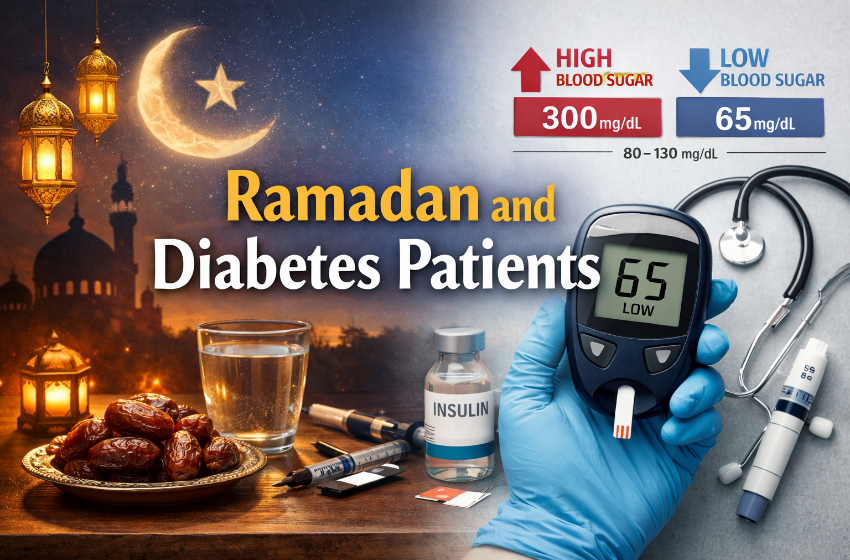
Ramadan and Diabetes Patients: Fasting Safety Guidelines
Ramadan and diabetes patients need special care because fasting can affect blood sugar levels. According to the International Diabetes Federation, about 589 million adults live with diabetes worldwide, and many choose to fast during Ramadan.
In Pakistan alone, millions of diabetes patients observe fasting every year. Fasting for 12 to 16 hours without food or water can cause low blood sugar (hypoglycemia), high blood sugar (hyperglycemia), or dehydration. These conditions can become dangerous if patients do not manage diabetes properly.
Therefore, patients must understand their health condition, consult their doctor, and follow safety guidelines. With proper planning, monitoring, and medical advice, some diabetes patients can fast safely, while others should avoid fasting to prevent serious health complications. Let’s learn how!
What is Diabetes and How It Affects the Body?
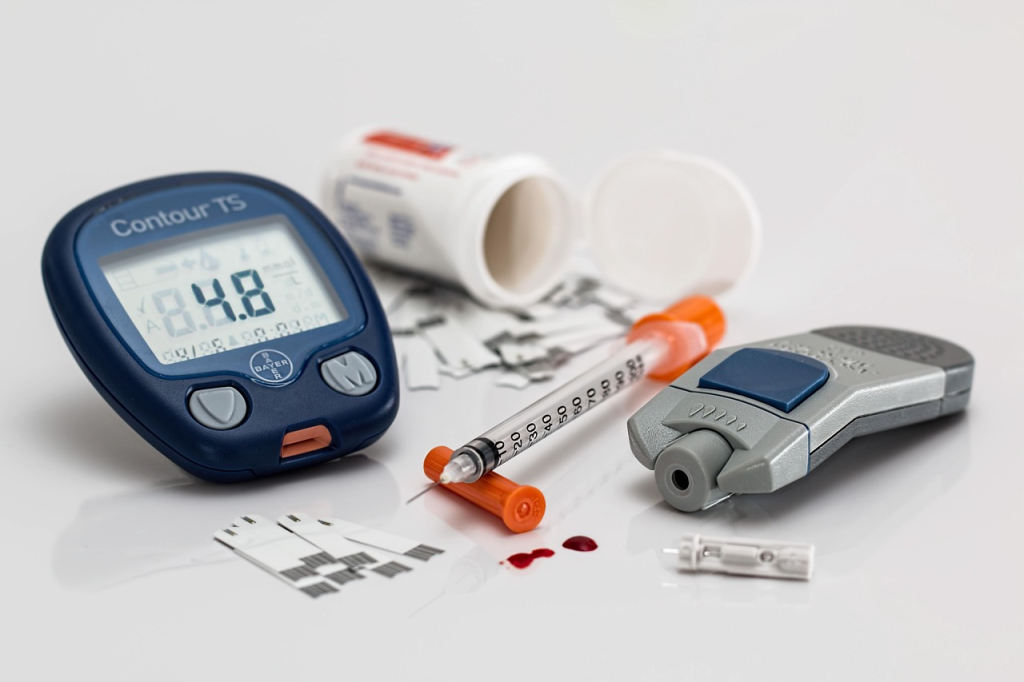
Diabetes is a chronic disease that causes high levels of glucose (sugar) in the blood. Glucose gives energy to the body and helps organs function properly. The hormone insulin controls glucose levels by moving sugar from the blood into the body’s cells.
In diabetes, the body either does not produce enough insulin or cannot use insulin properly. As a result, glucose stays in the blood and causes high blood sugar levels.
According to the World Health Organization, uncontrolled diabetes can damage:
- Heart
- Blood vessels
- Eyes
- Kidneys
- Nerves
Over time, this damage can lead to heart disease, kidney failure, vision loss, and nerve problems.
Common Symptoms of Diabetes
Diabetes develops slowly, but patients experience clear symptoms. These symptoms may worsen during fasting if blood sugar becomes unstable.
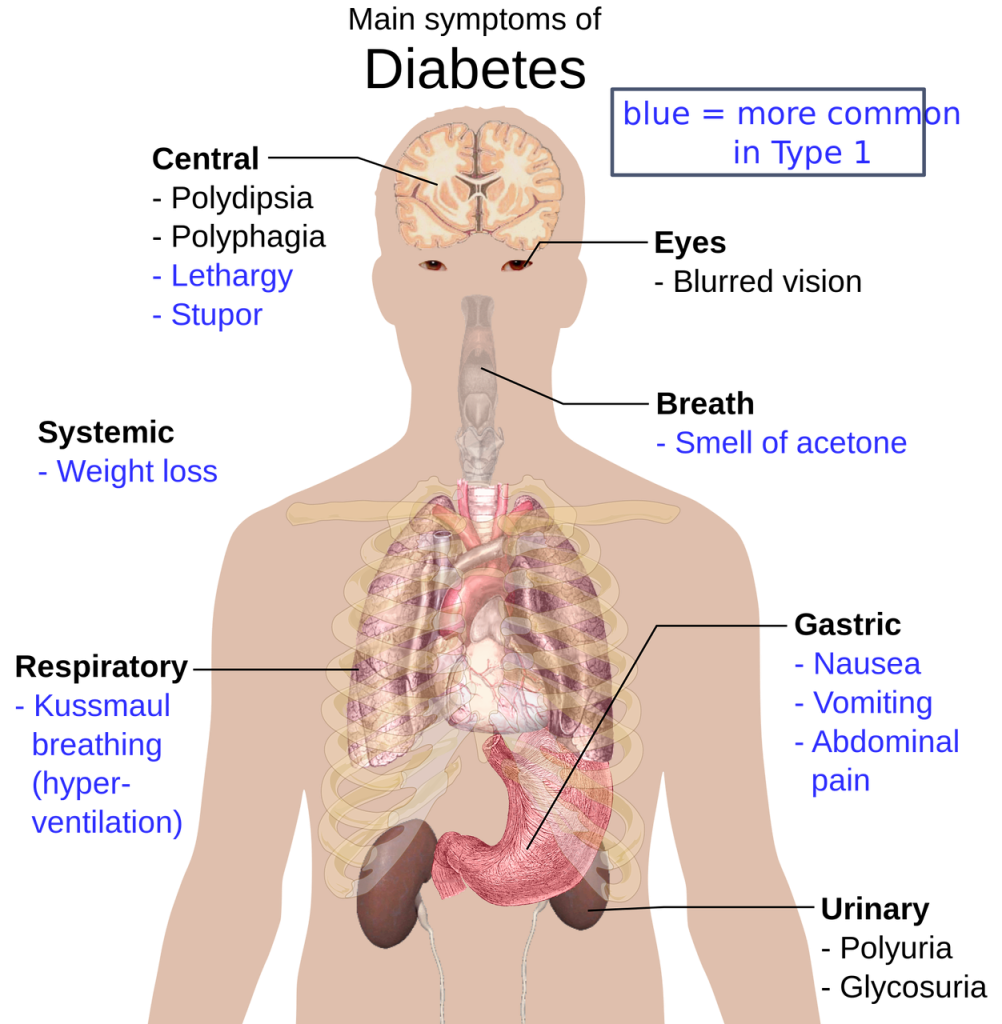
Common symptoms include:
- Frequent urination, especially at night
- Excessive thirst
- Constant hunger
- Fatigue and weakness
- Blurred vision
- Slow healing of wounds
- Weight loss
- Numbness in hands and feet
- Frequent infections
These symptoms occur because the body cannot use glucose properly for energy.
Types of Diabetes and Fasting Eligibility
There are two main types of diabetes. Fasting safety depends on the type and severity.
Type 1 Diabetes
In Type 1 diabetes, the pancreas does not produce insulin. Patients need insulin injections daily.
This type is less common but more serious. According to the American Diabetes Association, Type 1 patients must take insulin regularly to survive.
Doctors usually do not allow these patients to fast because:
- They need insulin multiple times daily
- Fasting increases the risk of low blood sugar
- Severe weakness and fainting may occur
Therefore, fasting is unsafe for most Type 1 patients.
Type 2 Diabetes
Type 2 diabetes is more common. About 90–95% of diabetes patients have Type 2 diabetes.
In this condition:
- Body produces less insulin
- The body cannot use insulin effectively
Treatment includes:
- Oral medicines
- Healthy diet
- Exercise
- Insulin in some cases
Many Type 2 patients can fast safely if their diabetes is well controlled and monitored.
Major Risks of Fasting for Diabetes Patients
Fasting can cause serious health risks for diabetes patients.
Low Blood Sugar (Hypoglycemia)
This happens when blood sugar drops below normal levels.
Symptoms include:
- Dizziness
- Weakness
- Sweating
- Confusion
Severe hypoglycemia can cause unconsciousness.
High Blood Sugar (Hyperglycemia)
Hyperglycemia happens when blood sugar rises too high.
It can cause:
- Fatigue
- Frequent urination
- Dehydration
Blood sugar above 300 mg/dL is dangerous.
Dehydration
Fasting without water increases dehydration risk, especially in hot weather.
Dehydration can cause:
- Weakness
- Low blood pressure
- Kidney problems
When Diabetes Patients Should Not Fast?
Doctors advise some diabetes patients not to fast because fasting can increase health risks. Patients with Type 1 diabetes should avoid fasting because they need insulin regularly. Without proper food intake after insulin, their blood sugar can drop dangerously. This can cause severe weakness, dizziness, or fainting.
Patients with uncontrolled diabetes should also not fast. Their blood sugar levels already remain unstable, and fasting can make the condition worse. This increases the risk of both high and low blood sugar.
Pregnant women with diabetes should avoid fasting because stable nutrition is essential for both mother and baby. Fasting can affect the baby’s growth and the mother’s health.
Patients with kidney disease, heart disease, or blood vessel problems should not fast. Their bodies may not tolerate long hours without food and water. Elderly patients and those who often experience low blood sugar should also avoid fasting. Health safety must always come first.
Safe Fasting Guidelines for Diabetes Patients
Diabetes patients who plan to fast must follow proper medical advice. They should consult their doctor before Ramadan. The doctor checks blood sugar levels, reviews medicines, and evaluates overall health. The doctor may adjust medicine timing and dosage to ensure safe fasting.
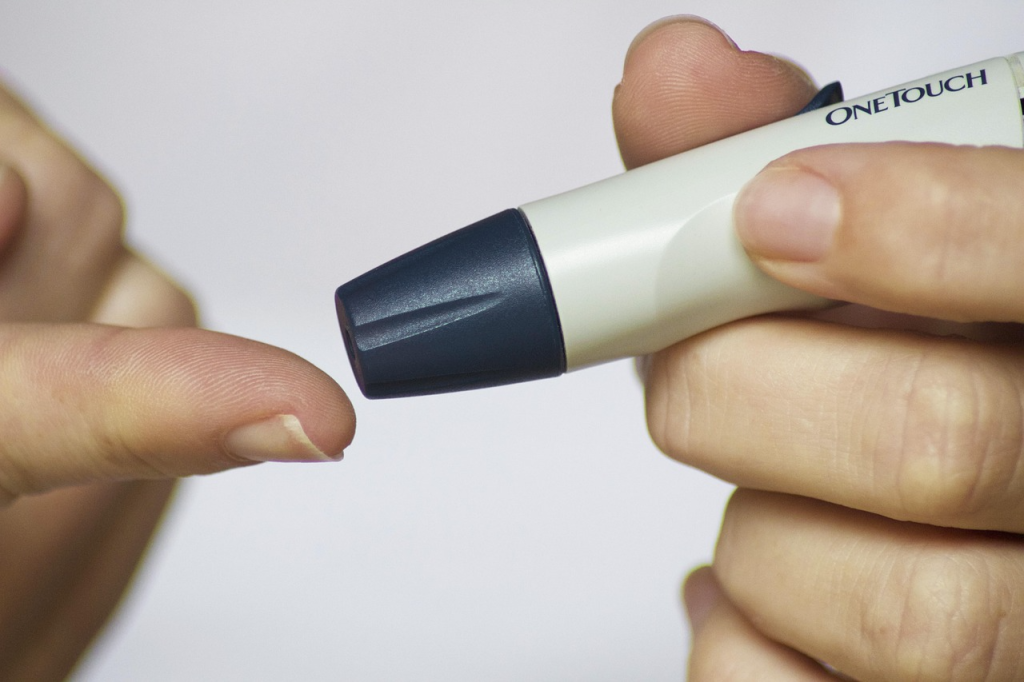
Patients must monitor their blood sugar regularly during fasting. They should check their blood sugar before Suhoor, during the day, before Iftar, and before sleeping. Regular monitoring helps detect problems early and prevents emergencies.
A healthy diet is very important during Ramadan. Patients should eat balanced meals at Suhoor and Iftar. Foods rich in fiber, such as whole wheat bread, vegetables, fruits, and lentils, help control blood sugar. Protein foods like eggs, fish, and chicken provide energy and support body strength.
Patients should avoid sugary and fried foods. These foods increase blood sugar quickly and cause imbalance. Sugary drinks and sweets should be limited. Dates can be eaten at Iftar, but patients should limit the quantity to two or three dates.
Drinking enough water between Iftar and Suhoor is also essential. Proper hydration prevents dehydration and supports normal body function. Patients should also avoid heavy physical activity because it can lower blood sugar quickly. Light activity and proper rest help maintain stable health.
When to Break the Fast Immediately?
Diabetes patients must break their fast if their blood sugar becomes unsafe. If blood sugar falls below 70 mg/dL, it can cause hypoglycemia. This condition causes weakness, dizziness, sweating, and confusion.
Patients must also break the fast if blood sugar rises above 300 mg/dL. High blood sugar can cause dehydration and serious health complications.
If patients feel severe weakness, dizziness, or signs of dehydration, they should stop fasting immediately. Breaking the fast in these situations protects health and prevents serious complications. Health and safety must always remain the top priority.
Final Thoughts
Ramadan and diabetes patients must take proper precautions before fasting. Diabetes is a serious condition that requires careful monitoring and medical guidance. Some patients can fast safely with controlled blood sugar, proper diet, and regular monitoring.
However, high-risk patients should avoid fasting to protect their health. Medical consultation, healthy eating, and blood sugar monitoring are essential for safe fasting during Ramadan.