Saira Imran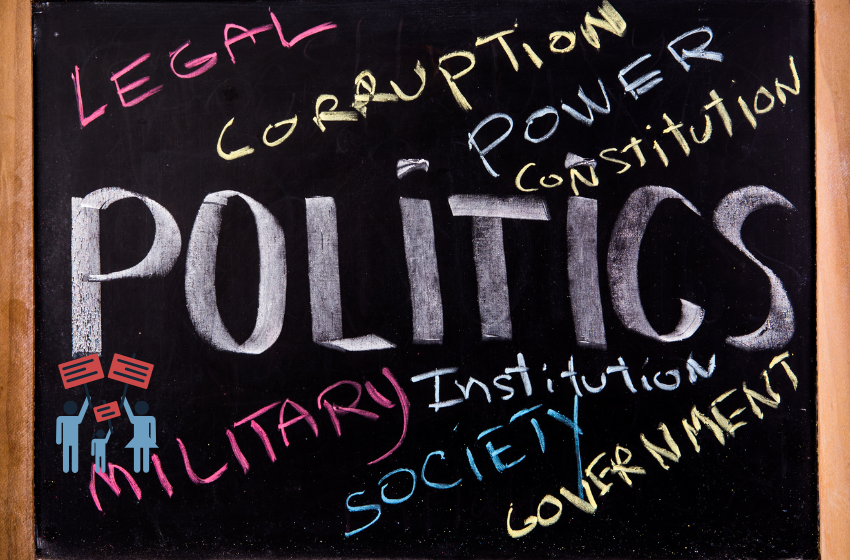
Political Instability in Pakistan and Economic Pressure
Political instability in Pakistan is increasing because the country is facing a tough political fight. Many groups want power, and each uses a different strategy. This pressure comes from a weak economy that has stayed stuck for years.
The economy overheated in 2022. Prices rose fast, and reserves fell close to default. The IMF saved Pakistan twice, in 2022 and 2023. After that, the economy became stable, but growth stopped. Jobs did not increase, and people lost buying power. Investors also lost interest.
This stress increased the government’s demand for more resources. Taxes went up. Spending went down. The State Bank collected every dollar to build reserves. These steps increased pressure on businesses and the public.
Read Also: Social Problems of Pakistan: Causes, Impacts, and Solutions
Political tensions also grew. Civil and military institutions felt the strain. Provinces and the center disagreed over money and power. Each political party held control in its province and tried to regain influence in the center. This created mistrust among leaders.
Non-democratic forces gained more control after 2018. They now influence major decisions in the center. Talks about changing the NFC Award and adjusting provincial powers show deep internal conflict.
If Pakistan does not get outside financial support or a clear economic plan, political instability in Pakistan will rise even more.