Saira Imran
Month of Shaban: A Time to Prepare the Heart
The Month of Shaban holds a special place in the Islamic calendar. It is the eighth month in the Islamic calendar. Muslims see it as a bridge between Rajab and Ramadan. This month gives believers a chance to prepare their hearts, minds, and actions before the arrival of Ramadan.
Many Muslims increase worship, fasting, and dua during this time. The Prophet Muhammad (PBUH) paid special attention to this month, and his Sunnah guides Muslims on how to benefit from it. Understanding its virtues helps every Muslim grow spiritually and build a stronger connection with Allah.
Month of Shaban: Significance and Virtues
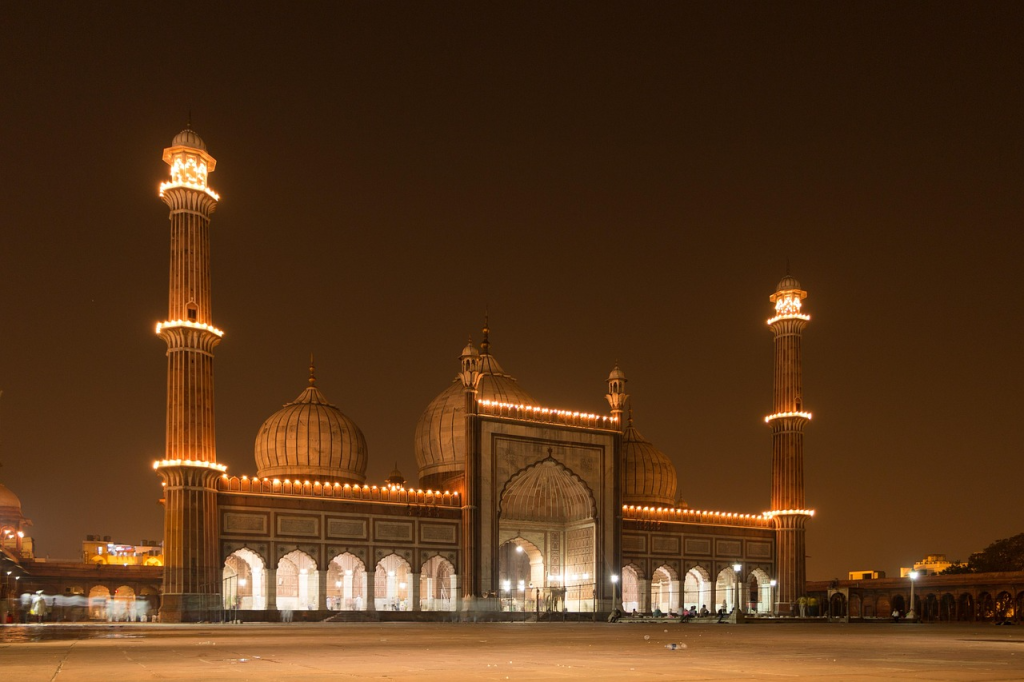
Prophet Muhammad (peace be upon him) honored Shaban with extra worship. For example, he fasted in Shaban more than in any other month. ʿAisha (may Allah be pleased with her) said he “never fasted any month more than Shaban”, so his fasts in this month were many.
In fact, Aisha reported: “The most beloved month to fast in for the Messenger of Allah was Sha’ban, and his fasting in Shaban was continuous with his fasting in Ramadan”. This shows how much he worship in Sha’ban as preparation for Ramadan.
The Prophet ﷺ also noted that Shaban is a time when “deeds are lifted up to the Lord of the worlds”. This means Allah takes account of our good and bad actions in Shaban. Since people often overlook this month, it becomes a great opportunity to do extra good.
A scholar even said fasting in Sha’ban is better than fasting in other sacred months, because it prepares us for Ramadan. In short, this month is an ideal time to gather reward by praying, fasting, and doing charity while others may be distracted by daily life.
Many Muslims also use this month to catch up on any missed fasts so that they enter Ramadan complete. For example, Aisha said she would make up fasts she missed in Ramadan during Shaban.
Recommended Actions in Shaban

Muslims use this month to grow closer to Allah. Some acts and prayers recommended include:
- Fasting often: Follow the Prophet’s example by fasting many days in Shaban, especially around the middle of the month.
- Extra prayers: Spend more time in voluntary prayers (Tahajjud, night prayer, etc.).
- Reading Quran: Recite and reflect on the Quran more during this quiet month.
- Charity and kindness: Give to charity and help others in need.
- Special Dua: Make the supplication “Allahumma barik lana fi Rajab wa Shaban wa ballighna Ramadan” (“O Allah, bless us in Rajab and Shaban and let us reach Ramadan”).
- Seek forgiveness: Ask Allah for mercy and forgiveness, especially on the 15th night of Shaban.
- Dhikr and remembrance: Remember Allah frequently. The Prophet ﷺ encouraged extra remembrance and night prayers in Sha’ban, building spirituality before Ramadan.
These acts help Muslims make the most of Shaban’s blessings and prepare their hearts and habits for Ramadan.
Shaban in Arabic: Meaning of the Name
The word Shaʿbān (شعبان) explains the month’s name. It refers to Bedouin tribes scattering to find water in this month. Life depended on that water, so the name reminds us of God’s provision and mercy. In some traditions, Shaban is also called Al-Nisaa’ (“the women’s month”) or Al-Mar’ah (“a month with many daughters born”), reflecting events in early Muslim history.
Overall, its meaning encourages spreading blessings. Just as branches spread, believers should spread good deeds and prepare for the coming fasts. Knowing this Arabic name helps us remember Allah’s care even in difficult times.
The Month after Shaban: Ramadan
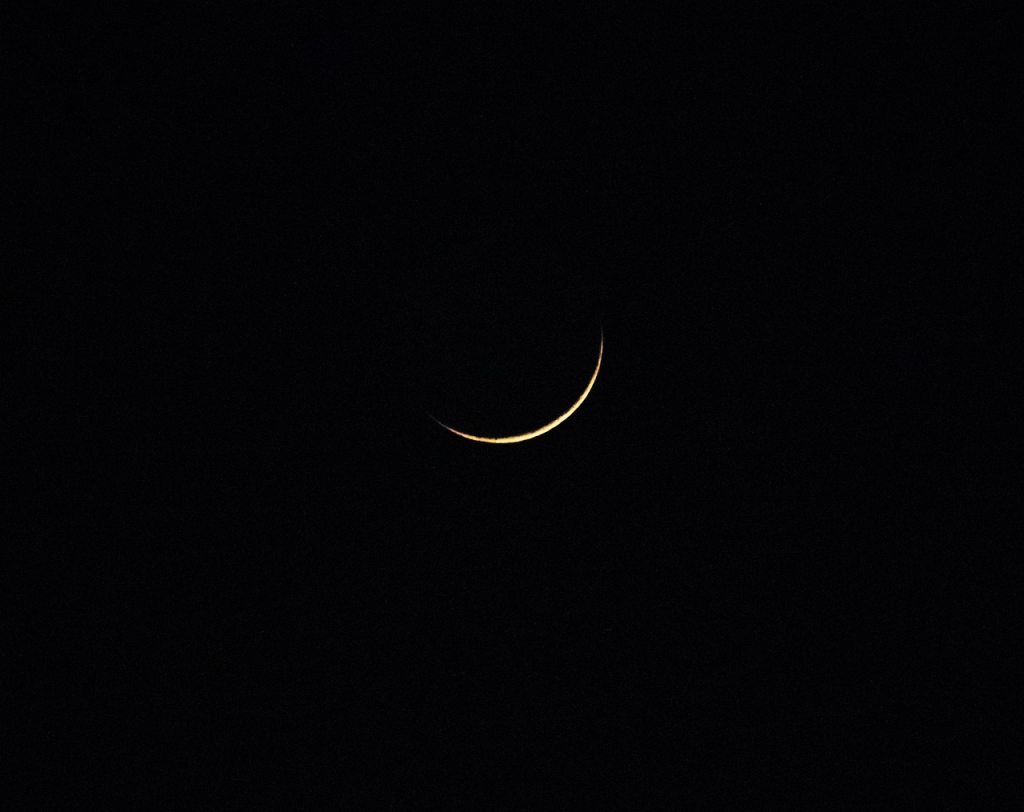
The Month before Shaban is Rajab, one of the four sacred months. Rajab focuses on respect and avoiding sins. Shaban builds on that by increasing worship.
The Month after Shaban is Ramadan, the month of fasting and the Quran.Ramadan is the month of obligatory fasting, charity, and increased worship. In fact, Allah revealed the command to fast Ramadan during Shaban (in 2 AH), which connects the two months.
This month is like a warm-up or bridge to Ramadan. In this month, muslims clear their hearts and habits so they can welcome Ramadan pure and focused. They complete any missed fasts and make istighfar (seek forgiveness) so they start Ramadan with a clean slate. They also set goals for better worship and patience. This preparation makes the blessings of Ramadan even greater when it arrives.
Spiritual Shaban Month Benefits and Preparation
Embracing the Month of Shaban offers immense spiritual benefits and is the perfect training ground for Ramadan.
A Time for Forgiveness and Mercy
The middle of Shaban, particularly its night, is highlighted as a time of divine mercy. Hadiths indicate that on this night, Allah looks upon His creation and grants forgiveness to all except those who ascribe partners to Him or harbor deep hatred in their hearts. This underscores the Shaban month importance of seeking pardon and purifying one’s heart.
Physical and Spiritual Warm-up
Fasting voluntarily in this month helps your body adjust to the upcoming obligatory fasts of Ramadan. It is a practical way to build discipline and stamina. Spiritually, it cultivates the habits of devotion, making the transition into Ramadan smooth and focused.
Catching Up and Building Up
This month is an ideal time to fulfill any missed obligatory fasts from the previous Ramadan before the next one begins. It is also a prime opportunity to build a stock of voluntary good deeds.
Understanding the 15th of Shaban
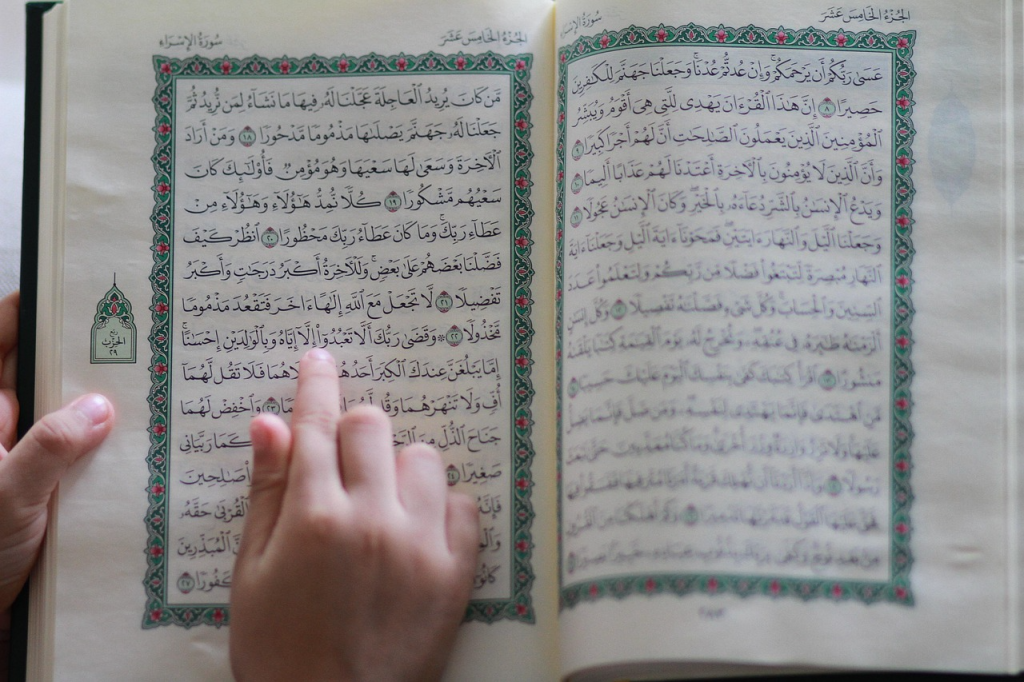
The night of the 15th of Shaban, known as Laylat al-Bara’at or Shab-e-Barat, is considered a night of mercy and forgiveness. While there are varying cultural practices, the core authentic observance involves:
- Spending the night in voluntary prayer, Quran recitation, and remembrance of Allah.
- Sincerely seeking forgiveness for one’s sins.
- Fasting the following day (the 15th) is recommended by some scholars.
It is crucial to seek this blessing through authentic worship, focusing on sincere repentance rather than unverified cultural rituals.
Final Thoughts
The Month of Shaban is a beautiful chance to draw near to Allah and prepare for Ramadan. The Prophet Muhammad ﷺ showed us its value by fasting and praying in it. Even though this month is often quiet, it contains great blessings.
By fasting, praying, and making sincere dua in this month, we collect rewards and strengthen our faith. Every fast and prayer now helps us in the days ahead. InshaAllah, may Allah accept our worship in this month and make us among those who fully benefit in Ramadan. May He help us to practice good deeds and earn His mercy.
FAQs
Shaban stands between Rajab and Ramadan. The Prophet (PBUH) increased fasting in it, and deeds rise to Allah during this month.
Some people call Shaban, the month of forgiveness because of the special 15th night (Laylat al-Bara’ah). On that night, many Muslims stay up in prayer and ask Allah for mercy.
The Quran does not specifically mention the month of Shaban by name. Its significance is derived from the teachings and practices (Sunnah) of the Prophet Muhammad as recorded in authentic Hadith collections.
Yes, there is no Islamic restriction on getting married during this month. It is a permissible time for marriage like most other months of the year.
The 15th of Shaban is widely observed as Laylat al-Bara’ah, the “Night of Forgiveness.” Many Muslims pray and seek Allah’s mercy on this night. Some narrations say Allah forgives many people on this night, though scholars point out these reports are not strongly authenticated. Nonetheless, the night encourages extra devotion and prayer. It reminds us that Allah’s mercy is great and that we should ask for forgiveness with sincerity.