Saira Imran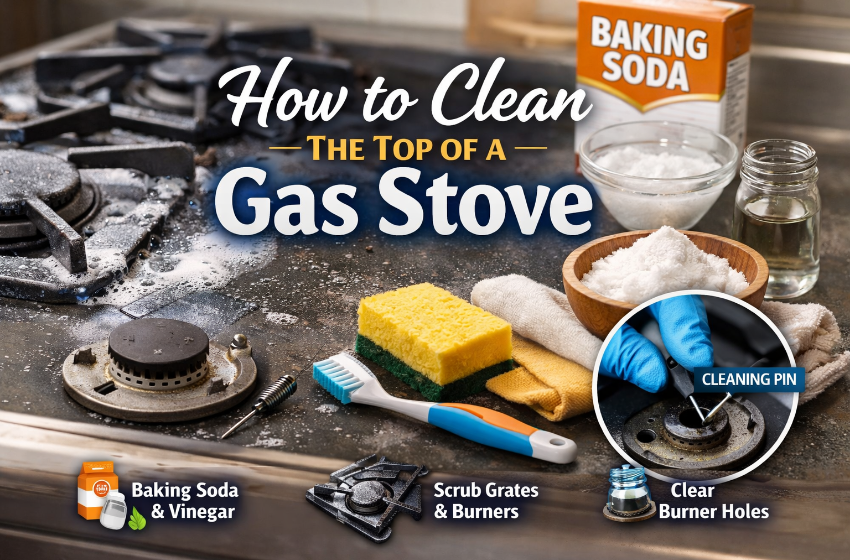
How to Clean the Top of a Gas Stove
Keeping your stove clean improves hygiene, cooking performance, and kitchen appearance. Many people struggle with grease, burnt spills, and clogged burners. The good news is that you can handle this task at home without harsh chemicals.
In this guide, you will learn how to clean the top of a gas stove using easy steps, common tools, and safe methods. You will also learn how to protect burner parts, remove stubborn stains, and avoid common cleaning mistakes that can damage your appliance.
Why a Clean Gas Stove Top Matters?
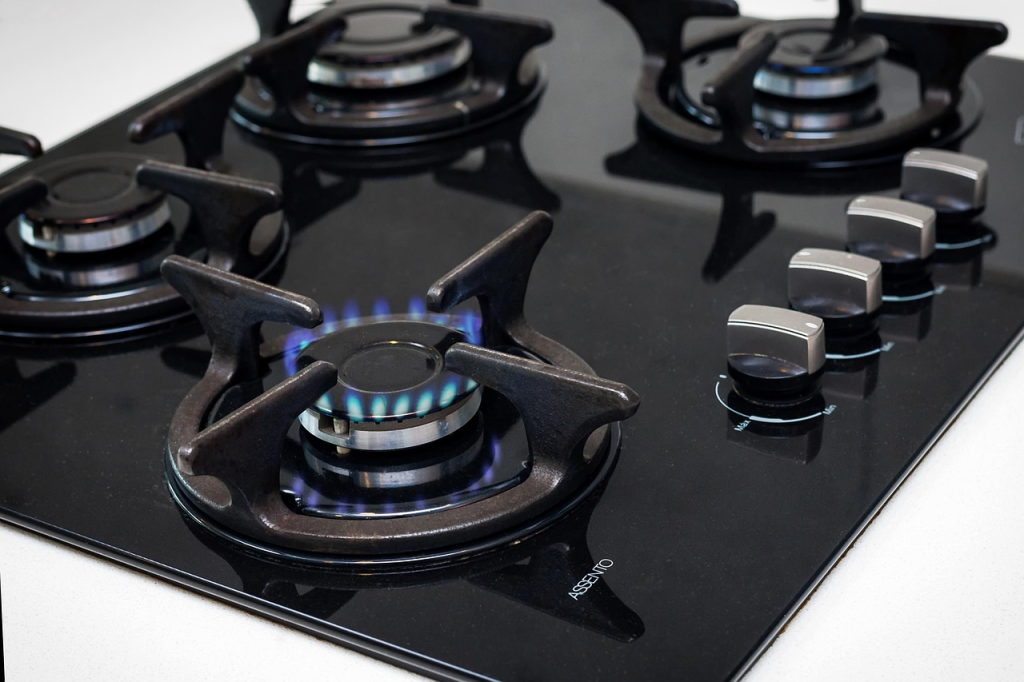
A dirty stove top affects more than appearance. It directly impacts safety and cooking quality.
Grease buildup can block burner ports. Food spills can produce bad smells. Burnt residue can cause uneven flames. When flames burn unevenly, food cooks poorly. A dirty surface also attracts bacteria and pests.
Regular cleaning helps you:
- Improve flame efficiency.
- Reduce fire risks.
- Extend stove life.
- Keep your kitchen hygienic.
Clean surfaces also make daily wipe-downs faster and easier.
How to Clean the Top of a Gas Stove: Step-by-Step
Follow the order to clean the stove top. Work carefully and use short bursts of effort.
1. Prepare and stay safe
- Turn off all burners and let the stove cool completely.
- If you plan to do deep cleaning, turn off the gas supply for safety.
- Open a window if you will use vinegar or mild cleaners.
2. Remove loose parts
Take off the grates, burner caps, and heads. Keep small parts on a towel. This prevents loss. Soak the grates and caps in warm, soapy water while you clean the stove surface.
3. Tools you will need
You do not need special equipment. Most items already sit in your kitchen.
- Soft sponge or cloth
- Old toothbrush
- Dish soap
- Baking soda
- White vinegar
- Warm water
- Microfiber towel
Avoid metal scrubbers. They scratch enamel and stainless steel surfaces.
4. Wipe crumbs and dry debris
Brush away loose crumbs with a dry cloth. Remove stuck bits with a soft scraper or a plastic spatula. Do not use metal tools on enamel or stainless steel.
5. Clean the stove surface
Mix warm water with a little dish soap. Dip the sponge and wipe the whole surface. Pay close attention to greasy zones. For sticky spots, use a paste of baking soda and water. Spread the paste. Let it sit 10–15 minutes. Spray a small amount of white vinegar over the paste. The fizz helps lift grime. Wipe away with the sponge. Rinse with clean water and dry.
6. Detail around burners
Use an old toothbrush to clean around burner bases and control knobs. Dirt hides in crevices. Clean gently and rinse. Keep water away from gas inlets.
7. Clean burner ports and holes
When flames look weak or uneven, check the burner ports. Use a soft pin or a Gas burner cleaning pin to clear each hole. Work gently. Do not widen or force the holes. After cleaning, blow gently to remove dust. Refit the burner parts only when everything is dry.
8. Dry and reassemble
Dry all parts well. Moisture can stop ignition or cause rust. Place burner heads, caps, and grates back in their positions. Test burners on low flame first.
How to Clean Gas Stove Top Burners Holes?

Clogged burner holes cause low flame and uneven heat. Follow these steps.
- Remove burner head and cap.
- Inspect the ports. Look for black carbon or food bits.
- Use a fine pin to clear each port. A Gas burner cleaning pin works best because it fits the holes without damage.
- Avoid metal brushes that widen the holes.
- Rinse parts in warm soapy water and dry fully before placing them back. Wet parts can stop ignition.
- Reinstall and test the flame. Aim for a steady blue ring.
This method helps maintain flame balance and saves fuel.
How to Clean Gas Stove Burners with Baking Soda and Vinegar?
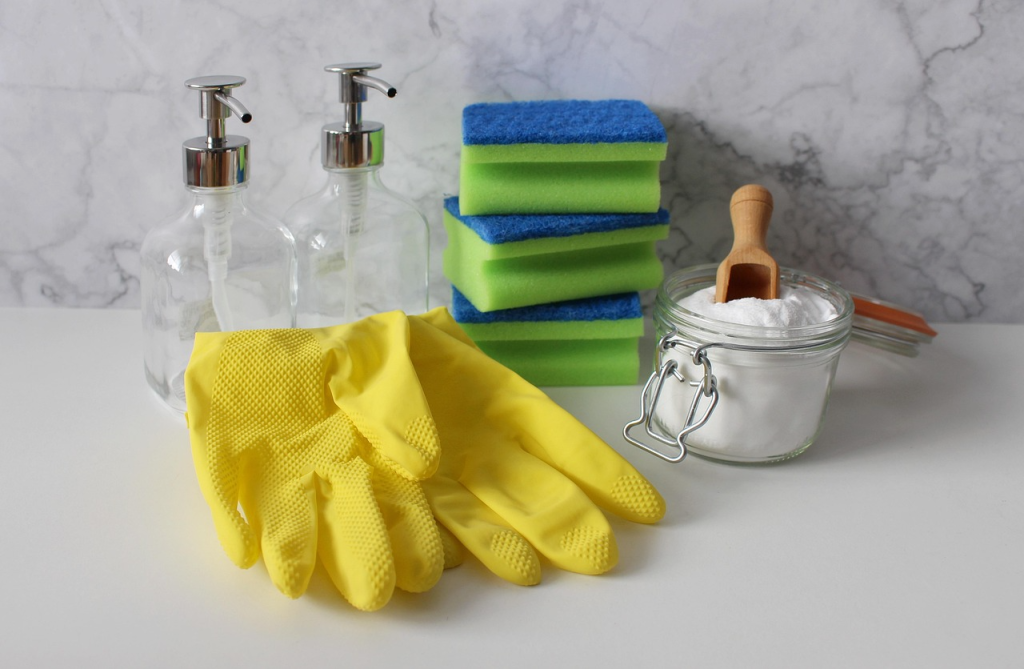
Baking soda and vinegar make a gentle, effective cleaner. Use this for greasy stains and mild carbon buildup.
- Make a thick paste of baking soda and water.
- Spread it over the stained area and on grates if needed.
- Spray or pour a small amount of white vinegar on top.
- Let the mixture bubble and sit for 10–20 minutes.
- Scrub with a soft sponge or brush.
- Rinse and dry.
This method avoids harsh chemicals. It works well on enamel, stainless steel, and some cast iron parts.
Cleaning Cast Iron Grates and Burner Caps
The grates and caps endure the most direct heat and spills. For how to clean gas oven top cast iron grates, first check your owner’s manual. Some coated or sealed grates can be soaked, but uncoated cast iron should not be submerged to prevent rust.
For a thorough clean:
- Remove the cooled grates and caps.
- For tough, baked-on grease, a baking soda paste is highly effective. Mix three parts baking soda with one part water to form a spreadable paste.
- Coat the grates and caps thoroughly, then let the paste sit for at least 20 minutes. This allows it to break down the grime.
- Use a non-abrasive pad to scrub away the paste and the loosened debris, then rinse and dry completely before replacing.
Common Stove Top Cleaning Mistakes and How to Avoid Them?
Many people try to clean fast and cause harm. Avoid these errors:
- Use steel wool or metal scouring pads. They scratch finishes.
- Pouring excessive water that seeps into gas lines.
- Cleaning while the stove is still hot. You risk burns and warping.
- Using bleach or strong corrosive cleaners on burner parts. They damage metal and enamel.
Follow gentle methods. Use the right tools. Take time to dry all parts.
Maintaining Your Clean Stove
Consistency is easier than deep cleans. Get into the habit of wiping the surface and caps after each use once they are cool. For a weekly refresh, a quick pass with a vinegar-water solution will combat grease buildup. Always avoid these common stove top cleaning mistakes: using steel wool or harsh powders, drenching the burner heads with water, or forgetting to dry all parts thoroughly to prevent rust.
Final Thoughts
Now you understand how to clean the top of a gas stove using safe, simple, and effective steps. Regular care prevents heavy buildup and keeps flames strong and even. Gentle tools protect the surface, while baking soda and vinegar remove stubborn grime naturally.
Avoid harsh scrubbing and excess water. When you follow the right method, your stove stays shiny, safe, and efficient for years.
FAQs
Apply a baking soda paste to the burnt area. Spray a little white vinegar over it. Let the mixture sit and bubble for 10–20 minutes. Scrub gently with a soft sponge. Rinse and dry. Repeat if needed for heavy burns.
A mild dish soap with warm water works best for day-to-day cleaning. For stubborn spots, use a baking soda paste and a light spray of white vinegar. These cleaners clean well without harming finishes.
Professional cleaners use structured steps. They remove parts, soak grates, and use safe degreasers. A professional also inspects gas lines and valves.
Vinegar and baking soda help remove light rust. For heavy rust, you may need stronger methods like sanding or a rust remover, followed by reseasoning the cast iron.
Do not use steel wool, bleach, oven cleaner on painted parts, or strong acids on stainless steel. These damage finishes, scratch surfaces, or corrode metal.