Saira Imran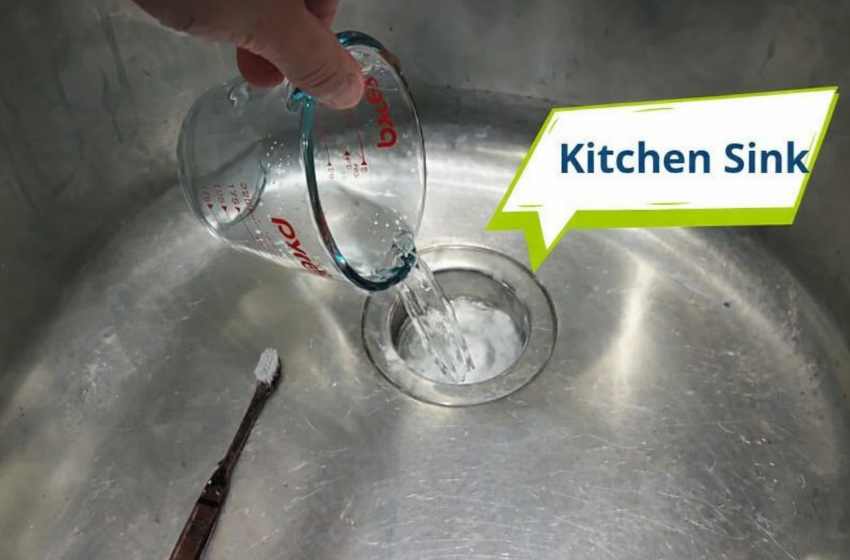
How to Clean a Kitchen Sink Naturally at Home
Learning how to clean a kitchen sink naturally is easy and safe. Instead of harsh chemicals, use simple pantry ingredients. For example, sprinkling baking soda on a wet sink and scrubbing with vinegar helps lift grime and odors. A quick rinse and a little olive or coconut oil buffing will make your sink shine again
Using natural methods protects your pipes and family. In this guide, you’ll find step-by-step tips, what supplies to use, what to avoid, and answers to common cleaning questions.
Why Natural Sink Cleaning Matters?

Your kitchen sink collects food scraps, oil, bacteria, and water stains daily. If you ignore cleaning, germs build up fast. Natural cleaning methods work well because they break down dirt gently and safely. They also reduce chemical exposure and protect septic systems. Many people now choose natural options instead of strong cleaners because they want long-term safety and better results.
Natural cleaning also fits well with daily routines. You can clean your sink quickly without special tools or expensive products. This approach saves time, money, and effort.
Common Kitchen Sink Cleaning Liquid
Gather the right supplies before you start. To clean naturally, common kitchen sink cleaning liquid options are mild dish soap and basic ingredients. You’ll want a soft sponge or cloth and maybe a brush. Hot water helps too. Below are the key items you’ll need
- Baking soda: a gentle, natural scrub for most stains.
- White vinegar: cuts grease, deodorizes, and disinfects.
- Mild dish soap (a gentle cleaning liquid): removes grease and food residue.
- Lemon or salt: optional fresheners that help brighten metal sinks.
Use warm water to wet the sink first. This makes cleaning easier. Having these items at hand means you can clean without any harmful fumes or chemicals.
How to Clean a Kitchen Sink Naturally without baking Soda?
Some people avoid baking soda due to allergies or preference. You can still clean effectively using other natural options. Lemon juice works well because it cuts grease and removes odors. Salt adds gentle scrubbing power without scratching.
Rub half a lemon dipped in salt over the sink surface. Focus on stained areas and corners. Rinse with warm water and wipe dry. This method suits daily light cleaning and keeps the sink fresh.
How to Clean your Sink with baking soda and vinegar?
This method works well for most sink types and removes odors and stains effectively. Baking soda scrubs away grime, while vinegar dissolves grease and kills bacteria.
Follow these steps carefully to get the best results:
- Rinse the sink with warm water to remove loose dirt
- Sprinkle baking soda evenly on the surface
- Scrub gently using a soft sponge
- Pour white vinegar over the baking soda
- Let the mixture fizz for two minutes
- Rinse thoroughly and wipe dry
For a deep clean, try this once a week. It freshens the sink and the drain. After rinsing, wipe the sink dry to prevent water spots and finish by polishing with a drop of oil if it’s a metal sink.
How to Clean Kitchen Sink Stainless Steel Surfaces Safely?
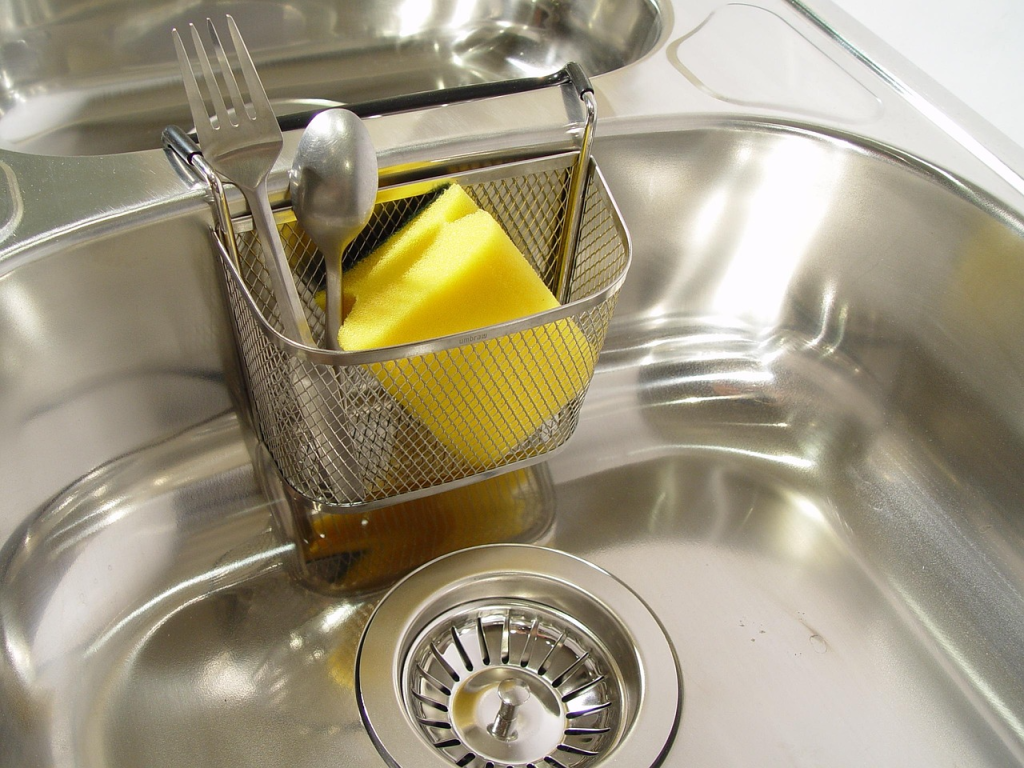
Stainless steel is durable but can scratch easily. The baking soda and soap paste is ideal because it cleans without damaging the finish. Always scrub gently along the direction of the metal’s grain, not in circles, to avoid minor scratches.
Avoid these common mistakes to protect your sink:
- Never use steel wool or abrasive scrub pads. These will leave permanent scratches and can lead to rust spots.
- Avoid harsh chemicals like bleach or ammonia-based cleaners. They can corrode and discolor the stainless steel over time.
- Don’t let wet sponges or rubber mats sit in the sink. Trapped moisture can cause discoloration and damage the finish.
Natural Drain Care and Maintenance
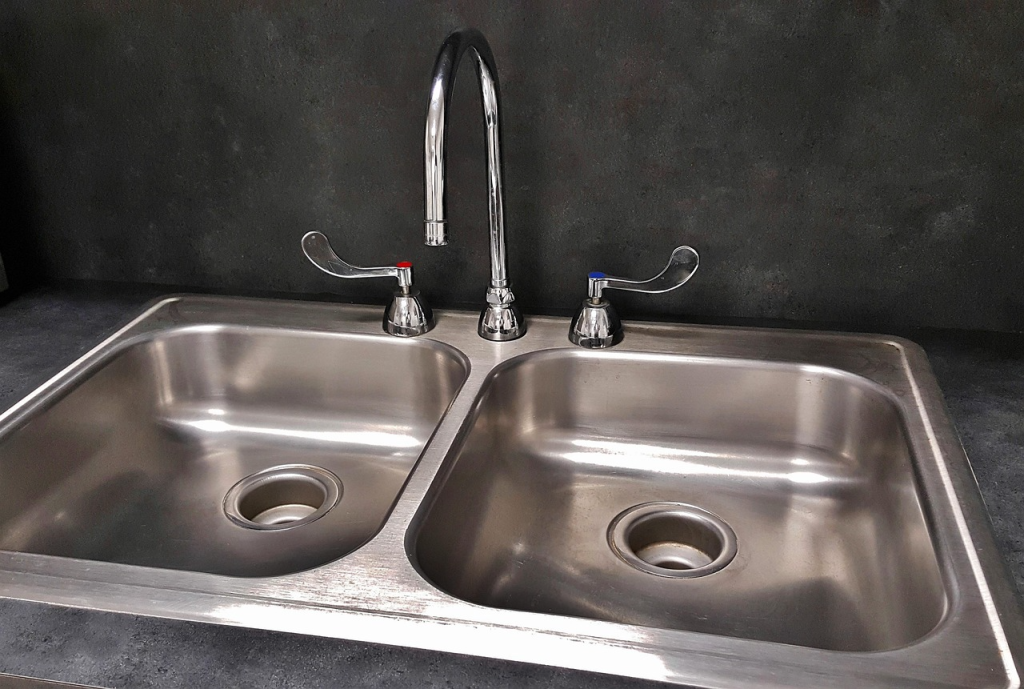
A clean sink also means a free-flowing drain. While the famous baking soda and vinegar trick is popular for minor freshening, its effectiveness for real clogs is limited. The fizzy reaction is short-lived and often fails to break down the primary culprit: grease.
For a more effective natural drain treatment, try this:
- Run hot tap water for a minute to warm the pipes.
- Slowly pour about half a cup of standard liquid dish soap directly down the drain.
- Let it sit for 10-15 minutes. The soap will cling to and help dissolve greasy buildup.
- Flush with a kettle of very hot (but not boiling) water to wash the loosened grime away. This method serves as an excellent kitchen sink cleaning liquid alternative.
What to Avoid When Cleaning Your Sink?
Even natural cleaning has pitfalls to avoid. First, never pour grease or food waste down the drain. Grease solidifies as it cools and clogs pipes. Always throw grease in the trash or wipe it with a paper towel.
Also, avoid harsh chemicals and abrasive tools. Commercial drain cleaners (like Drano) and strong bleach can damage plumbing and finishes. As one expert warns, “commercial drain cleaners and de-cloggers can be very hard on the pipes”, and repeated use will corrode seals. Instead, use hot water or an enzyme cleaner if you need to clear a blockage.
Do not scrub with steel wool or abrasive brushes. These can leave permanent scratches on any sink surface. Also avoid mixing products in unsafe ways. For example, mixing vinegar with bleach or ammonia is dangerous.
Finally, be careful with vinegar. It’s acidic and effective, but it can harm certain materials. Vinegar is safe on steel, but it will damage natural stone sinks (like granite) if used directly. It can also wear on brass or copper fixtures over time. Use vinegar in moderation and dilute it with water when cleaning.
Final Thoughts
Natural cleaning offers a safe and effective way to maintain a fresh kitchen. When you follow the right steps, you protect your sink, pipes, and family health.
Learning How to Clean a Kitchen Sink Naturally helps you avoid harsh chemicals while achieving excellent results. With regular care and simple ingredients, your sink can stay clean, shiny, and odor-free every day.
FAQs
A paste made from baking soda and liquid dish soap is highly effective for cleaning the sink basin. For drain maintenance, using hot water and dish soap can help manage grease buildup.
After cleaning with the baking soda and soap paste, rinse well and immediately buff the entire sink dry with a clean microfiber cloth. If the sink is stainless steel, buff it with a few drops of olive or mineral oil on a cloth. This polish makes the sink gleam.
Vinegar is mildly acidic. Overuse can dull or damage certain materials. It can corrode metals like brass/copper over time, and it can etch natural stone surfaces. Use vinegar sparingly or dilute it.
Most chemical drain cleaners are very harsh on pipes. These chemicals can erode plumbing, seals, and even concrete sewer lines. It’s safer to use natural methods (hot water, enzymes, or baking soda and vinegar) to clear minor clogs.
Good habits reduce deep cleaning needs. Rinse the sink after each use. Remove food scraps quickly. Wipe the surface dry to stop water stains. These simple actions keep your sink cleaner for longer.