Saira Imran
Hidden Causes of Depression You May Not Notice
Hidden causes of depression affect millions of people across the world. Many people link depression with grief, financial stress, or unemployment. These causes are common and real. However, many people feel low even when life seems stable. In such cases, hidden causes of depression quietly affect mental health without clear warning signs.
Health experts say daily habits, physical conditions, and lifestyle patterns play a major role in mood changes. Most people ignore these factors because they appear normal or harmless. Over time, they disturb brain chemistry and emotional balance.
Weather and Seasonal Changes
The weather strongly affects mental health. People often associate depression with winter due to reduced sunlight. However, hot weather also increases depression risk. Long summers or extreme heat stress the body. The brain struggles to adjust to temperature changes.
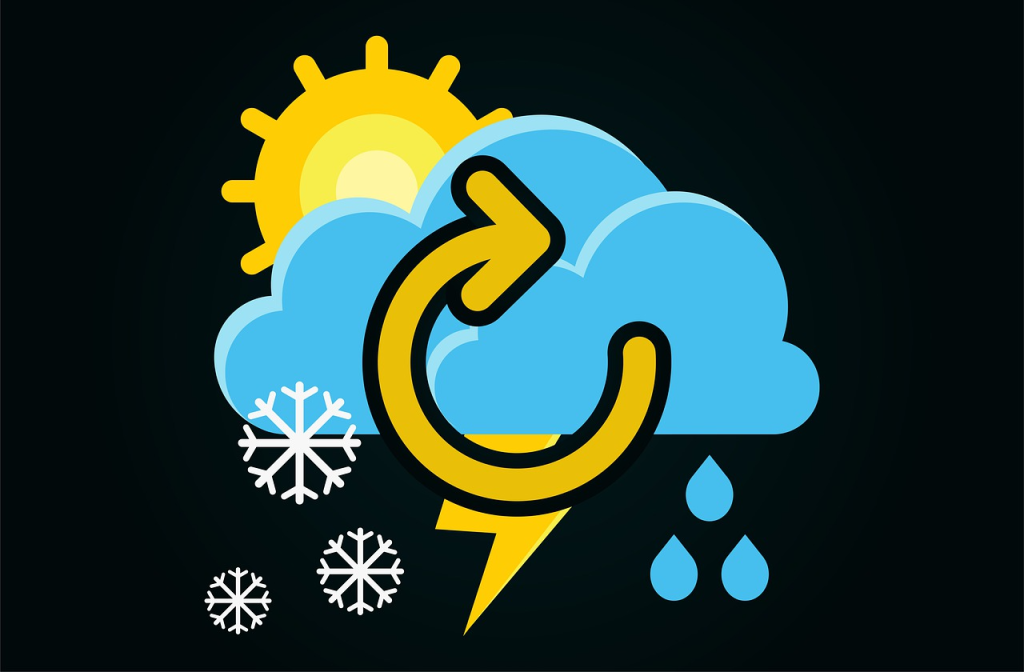
Medical experts explain that heat disrupts hormones and brain chemicals. This imbalance affects mood regulation. People may feel tired, restless, and emotionally drained. These feelings slowly turn into depression.
Smoking and Nicotine Use
Many people believe stress leads to smoking. In reality, smoking increases depression because it is one of the biological causes of depression. Cigarettes contain nicotine, which directly affects brain transmitters. Nicotine releases stress-related hormones in large amounts.
These hormones disturb emotional stability. Mood swings increase, and sadness deepens. Over time, smoking worsens anxiety and depression instead of providing relief.
Thyroid Disorders
Thyroid disorders are one of the causes of depression in women. The thyroid gland plays a key role in mental health. It controls hormones that regulate brain activity. When the thyroid produces fewer hormones, depression risk rises.

People with thyroid problems often feel cold, fearful, or mentally slow. These symptoms appear alongside low mood and lack of motivation. Doctors recommend thyroid testing when depression appears without a clear reason.
Poor Sleep Habits
Sleep directly affects emotional health. Lack of sleep causes irritation and poor concentration. Research shows that sleep deprivation prevents brain cells from repairing themselves.
When brain repair slows, negative thoughts increase. People feel hopeless and emotionally weak. Long-term poor sleep habits raise the risk of chronic depression.
Excessive Use of Facebook and Social Media
Social media connects people digitally but often isolates them emotionally. Spending too much time on Facebook and similar platforms increases depression risk, especially among young adults.
Research shows that online interaction replaces real-life communication. People struggle to connect face-to-face. Feelings of loneliness grow, which leads to sadness and emotional withdrawal.
Emotional Impact of Ending TV Shows or Films
Entertainment strongly influences emotions. When a popular TV show, film series, or long-term activity ends, some people feel sudden emptiness.
Studies observed this effect after the final Harry Potter movie. Viewers used the series as an emotional escape. Its ending removed comfort and triggered sadness and low mood.
Living Environment and Location
Place of living shapes mental health. Scientific studies show people living in cities face higher emotional stress than rural residents. Urban life increases mood swings by nearly 39 percent.
Cities move fast and demand constant attention. Noise, crowds, and pressure overload the brain. This stress weakens emotional control and leads to depression.
Too Many Choices in Daily Life
Modern life offers endless options. Simple decisions become stressful. People fear making wrong choices.
Psychologists explain that too many options cause mental fatigue. The constant search for the best choice creates dissatisfaction. Over time, this frustration contributes to depression.
Low Intake of Fish and Omega-3
Diet strongly affects brain health. Fish contains omega-3 fatty acids, which support emotional balance. These fats regulate neurotransmitters that control mood.
Read Also: Brain Health Foods: Top Nourishing Picks for Better Thinking
Low omega-3 intake increases depression risk. People who avoid fish often experience emotional instability and low energy.
Poor Relationships with Siblings
Family relationships shape emotional growth. Research shows that poor sibling relationships increase depression risk during youth.
Siblings teach social skills and emotional bonding. Frequent conflict damages these skills. This damage affects future relationships and increases depression risk later in life.
Birth Control Pills
Birth control pills affect hormone levels. Several studies link their use to depression in some women.
Doctors say hormonal changes influence mood regulation. Not every woman experiences these effects. However, the risk remains and needs attention.
Sleeping Pills and Certain Medicines

Some medicines increase depression risk because they cause depression and anxiety. Sleeping pills are a major example. Long-term use affects brain chemistry.
Read Also: Daily Vitamin D Supplements: Health Benefits or Waste?
Research links sleeping pills with increased suicidal thoughts in some users. Doctors advise careful use and regular monitoring.
How to Prevent Depression?
Preventing depression starts with small and consistent lifestyle changes. People can protect their mental health by focusing on daily habits and emotional balance. Early action reduces long-term risks.
Maintain a Healthy Sleep Routine
Regular sleep protects mental health. People should sleep and wake up at the same time each day. Proper rest allows the brain to repair itself. Good sleep also improves emotional control and focus.
Stay Physically Active
Physical activity reduces stress and lifts mood. Daily walking, light exercise, or stretching keeps the body active. Movement releases natural chemicals that support emotional balance.
Follow a Balanced Diet
Healthy food supports brain function. Fruits, vegetables, whole grains, and fish improve mood stability. Omega-3 fatty acids help regulate emotions. Reducing sugar, caffeine, and smoking also lowers depression risk.
Read Also: Healthier Desi Diet: 10 Ways to Eat Pakistani & Indian Food Healthy
Build Strong Social Connections
Social interaction prevents loneliness. Spending time with family and friends strengthens emotional support. Real-life conversations improve confidence and mental well-being. Limiting social media use reduces mental pressure.
Manage Daily Stress
Stress management protects emotional health. Deep breathing, prayer, meditation, or journaling helps calm the mind. Simple relaxation habits reduce emotional overload.
Seek Help Early
Medical advice helps when sadness lasts a long time. Early support for sleep, hormonal, or emotional issues prevents depression from worsening.
Final Thoughts
Hidden causes of depression exist in daily habits, health issues, and lifestyle choices. Weather, sleep patterns, diet, medicines, relationships, and environment quietly influence mental health. Understanding hidden causes of depression helps people seek timely help and protect their emotional well-being.
Awareness remains the first step toward prevention and recovery.
FAQs
The unknown cause of depression often links to hidden factors that people overlook. These include hormonal imbalance, sleep disorders, nutrient deficiencies, long-term stress, and certain medicines. Lifestyle habits, weather changes, and lack of social connection also affect brain chemistry. These causes develop slowly and do not always show clear signs, which makes them harder to identify.
Chemical depression usually appears without a clear life event. It lasts for weeks or months and does not improve with positive changes. Situational depression starts after stress, loss, or trauma. It improves when the situation changes or support increases. Medical tests and professional evaluation help confirm a chemical imbalance.
The top three causes of depression include chronic stress, chemical imbalance in the brain, and poor lifestyle habits. Lack of sleep, unhealthy diet, and social isolation worsen emotional health. These factors often work together rather than alone.
The real root cause of depression lies in disrupted brain chemistry combined with emotional stress. Hormones, neurotransmitters, and nervous system regulation lose balance. Long-term pressure, unresolved emotions, and poor self-care deepen this imbalance.
The three C’s of depression are Cognition, Chemistry, and Circumstances. Cognition refers to negative thinking patterns. Chemistry involves hormonal and neurotransmitter imbalance. Circumstances include stress, trauma, and life challenges.
The four R’s of depression include Recognize, Respond, Reach out, and Recover. People must identify symptoms early. Timely response through lifestyle changes and treatment helps. Seeking support strengthens recovery and long-term emotional stability.