Saira Imran
Breast Cancer Symptoms: Warning Signs & What to Know
Breast cancer symptoms affect many people’s lives, and knowing them early can save lives. Breast cancer symptoms often start subtly. You may feel a lump, notice skin changes, or see nipple discharge. Sometimes, pain or swelling appears. Age plays a role: risk rises over time, but younger people can also get breast cancer.
Recognizing these symptoms, especially in the early stage helps you act quickly. Awareness matters because early detection boosts the chance of successful treatment. In this article, we explain the common signs, causes, and treatment of breast cancer, plus tips for spotting warning signs and seeking help.
What Are Breast Cancer Symptoms?
Breast cancer symptoms can vary a lot. Some people have no symptoms at all, especially in the early stage. Here are the most common signs:
- A lump or thickening in the breast or under the arm.
- Change in the size, shape, or appearance of the breast.
- Skin changes: dimpling, redness, pitting (“orange peel” texture).
- Nipple changes: inversion, scaling, or changes in the areola.
- Unusual discharge from the nipple, possibly bloody.
Sometimes, more advanced cancer spreads and causes other symptoms, such as swollen lymph nodes or pain in bones, lungs, or liver.
Symptoms by Age: Breast Cancer Symptoms & Age Risk
Age is one key factor when it comes to breast cancer symptoms and risk. The risk of breast cancer generally increases with age. According to the American Cancer Society, the median age at diagnosis is 62 years. This means many cases occur in middle-aged and older women. However, younger people are not completely safe: in the U.S., cases in women younger than 45 have been rising slowly.
Read Also: Pakistan Develops First-Ever Breast Cancer Vaccine
Because breast cancer in younger people may be more aggressive or go undetected, recognizing symptoms early is especially important.
Early-Stage Symptoms: Breast Cancer Symptoms Early Stage
Identifying breast cancer symptoms early stage is critical for effective treatment. In early-stage cancer, signs may be very mild or even absent.
Some early-stage symptoms include:
- A small lump or thickening in the breast.
- Minor but persistent changes in skin texture or breast shape.
- Slight discharge or subtle nipple change.
Because early-stage signs can be subtle, regular self-exams and medical checkups help. Early detection dramatically improves outcomes: many early breast cancers are more treatable.
What are the 5 Warning Signs of Breast Cancer?
Many people ask, “What are the 5 warning signs of breast cancer?” These signs help you notice early changes in your breast. You should always pay attention to them and seek medical help if something feels unusual. Below are the five major red flags explained in simple and clear detail.
1. Breast Lump or Thickening
A lump is one of the most common early signs of breast cancer. You may feel a firm or hard knot in the breast or underarm. This area may feel different from the surrounding soft tissue. Some lumps feel like small peas, while others feel larger.
Not every lump is cancer. Many are harmless cysts or benign growths. But because cancer can also appear as a lump, you should never ignore any new thickening or solid mass.
2. Skin Changes on the Breast
Skin changes often give early clues. You may notice dimples, redness, itching, or an uneven texture. The skin may look similar to an orange peel, which doctors call “peau d’orange.”
Sometimes the skin becomes swollen, warm, or unusually shiny. These changes happen when cancer cells block lymph vessels in the breast. Skin changes can also appear with infections, but you must still get them checked to rule out cancer.
3. Nipple Abnormalities
Your nipple can also show signs of breast cancer. Watch for nipple inversion, where the nipple suddenly pulls inward. You may also see dry, flaky, or peeling skin on the nipple or areola.
Nipple discharge is another warning sign. If fluid comes out without squeezing — especially if it is bloody or clear — you must pay attention. Discharge can be caused by hormonal changes, but it may also signal cancer in the ducts.
4. Swelling Near the Breast or Armpit
Swelling often appears around the breast, underarm, or near the collarbone. It may be slight or noticeable. Sometimes you may not see a lump, but swelling still occurs.
This swelling happens when cancer cells reach nearby lymph nodes. The area may feel tender or heavy. Even if you do not feel pain, any new swelling should be taken seriously.
5. Persistent Pain or Discomfort
Breast cancer usually does not cause sharp pain, but discomfort can appear in some cases. You may feel a dull ache, burning, or pressure in the breast or armpit. If this pain stays for weeks or becomes worse, it needs medical attention.
Pain that keeps returning or refuses to go away, along with other changes, should not be ignored. Hormonal changes can also cause breast pain, but persistent discomfort requires a check-up.
Causes of Breast Cancer: What Triggers It?
Understanding breast cancer causes helps demystify the disease. There is no single cause, but several factors raise the risk:
- Age: Risk increases with age.
- Gender: Women are much more likely to develop breast cancer than men.
- Genetics: Mutations in genes like BRCA1 or BRCA2 greatly increase risk.
- Lifestyle: Obesity, alcohol use, and lack of physical activity contribute.
- Hormonal Factors: Reproductive history, hormone therapy, and age at first menstruation or menopause also influence risk.
Many people who get breast cancer have no obvious risk factor besides age or gender.
Breast Cancer Treatment
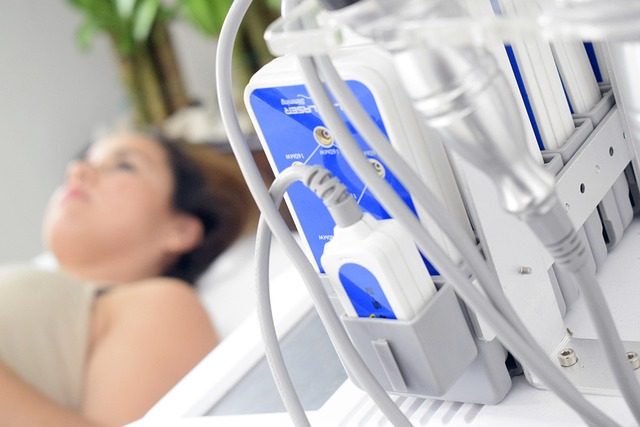
Breast cancer treatment depends on the type of cancer, its stage, and the patient’s overall health. Doctors choose a treatment plan that offers the best chance of removing the cancer and preventing it from coming back. Many patients receive a combination of treatments because each method targets cancer in a different way. Below are the main treatment options explained in clear detail.
1. Surgery
Surgery is one of the most common treatments for breast cancer. The goal is to remove the cancer from the breast.
There are two main types of surgery:
- Lumpectomy: The surgeon removes only the tumor and a small amount of surrounding tissue. This method helps preserve most of the breast. Doctors usually recommend radiation after a lumpectomy to kill any remaining cancer cells.
- Mastectomy: The surgeon removes the entire breast. Sometimes both breasts are removed if the patient has a high genetic risk. A mastectomy may be needed if the tumor is large or cancer has spread widely within the breast.
Some patients also have lymph nodes removed from the underarm to check if cancer has spread. This helps doctors decide if further treatment is necessary.
2. Radiation Therapy
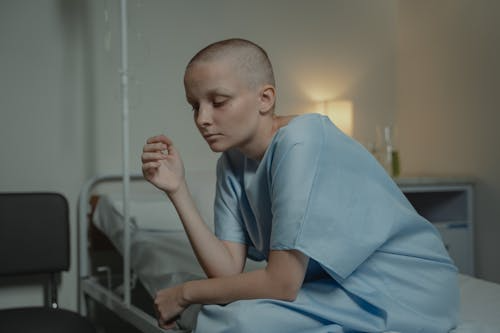
Radiation therapy uses high-energy rays to destroy cancer cells that may remain after surgery. It lowers the risk of cancer coming back in the same area.
Doctors often use radiation after:
- Lumpectomy
- Mastectomy, if cancer was large or reached lymph nodes
Radiation sessions usually last for a few weeks. The treatment targets the breast, chest wall, or underarm, depending on where cancer cells may still be present. Radiation works well for early-stage cancer and helps improve survival rates.
3. Medication Treatments (Systemic Therapies)
Medication plays a major role in breast cancer treatment, especially when cancer has spread beyond the breast or has a high risk of returning. These treatments travel through the bloodstream and attack cancer cells throughout the body.
Here are the main types:
Hormone Therapy
Some breast cancers grow because of hormones like estrogen or progesterone. Hormone therapy blocks these hormones or reduces their levels. It helps stop cancer from growing and lowers the chance of it coming back.
Chemotherapy
Chemotherapy uses strong drugs to destroy fast-growing cancer cells. Doctors give it before surgery (to shrink tumors) or after surgery (to prevent recurrence). Chemotherapy is common for advanced breast cancer because it works throughout the entire body.
Targeted Therapy
Some breast cancers have specific proteins, like HER2, that make them grow quickly. Targeted therapy drugs attack these proteins directly. This treatment is more precise and often has fewer side effects than chemotherapy.
Immunotherapy
Immunotherapy helps the immune system recognize and attack cancer cells. It works well for certain aggressive types of breast cancer, such as triple-negative breast cancer. The goal is to boost the body’s natural defense system.
4. Rehabilitation and Supportive Care
Rehabilitation and supportive care help patients recover during and after treatment. Cancer treatment can cause fatigue, swelling, pain, and emotional stress. Supportive care improves quality of life and helps patients handle side effects.
This may include:
- Physical therapy to regain movement
- Lymphedema treatment if arm swelling occurs
- Counseling and mental health support
- Nutritional guidance
- Support groups for emotional strength
Supportive care is an important part of treatment and continues even after the main therapies end.
Treatment for Early-Stage vs. Advanced Breast Cancer
Early-Stage Breast Cancer
Most early-stage breast cancer patients receive breast-conserving surgery (lumpectomy) followed by radiation therapy. This combination works well because surgery removes the tumor and radiation kills leftover cancer cells.
Some patients may also need hormone therapy or targeted therapy if their cancer has certain features.
Advanced or Metastatic Breast Cancer
For advanced cancer, doctors focus on systemic treatments such as chemotherapy, targeted therapy, or immunotherapy. These therapies help slow cancer growth and manage symptoms because the cancer may have spread to other organs.
Advanced cancer often requires long-term treatment. Doctors adjust the plan based on how well the cancer responds.
Risk & Survival Statistics
- Globally in 2022, around 2.3 million women were diagnosed with breast cancer, and about 670,000 died from it.
- In the U.S., breast cancer is among the most common cancers.
- The median age at diagnosis in the U.S. is 62 years.
- Death rates from breast cancer in the U.S. have dropped by 44% since 1989, thanks to better detection and treatment.
- According to U.S. Cancer Statistics, about 2 in 3 cases are diagnosed at a localized (non-spread) stage, where the 5-year survival rate is much higher.
Final Thoughts
Understanding breast cancer symptoms is a powerful first step. Age matters, but younger people can also be at risk. Watch for the common warning signs, especially early-stage symptoms.
Knowing the causes helps you assess risk, and learning about breast cancer treatment gives hope—there are many effective options. If you notice any unusual change in your breast, get medical advice quickly. Early detection saves lives and improves outcomes.
FAQs
The first warning signs often include a lump or thickening, changes in breast shape or skin, nipple changes, or unusual discharge.
Breast pain caused by cancer is uncommon. If the pain is persistent, does not go away, or is associated with other changes in the breast, it should be evaluated.
Breast cancer mostly affects women, especially as they get older. But it can also occur in younger women, and rarely, in men.
No single reason causes most breast cancers. But risk increases with age and genetics (like BRCA mutations) are a major factor.
On the skin, it may cause dimpling, redness, puckering, or a texture like orange peel. It can also change the nipple’s appearance.
While this is a common belief, it’s not precisely true for all cancers. Many cancers are linked to environmental risk factors, lifestyle, genetics, or a mix — not a single cause.